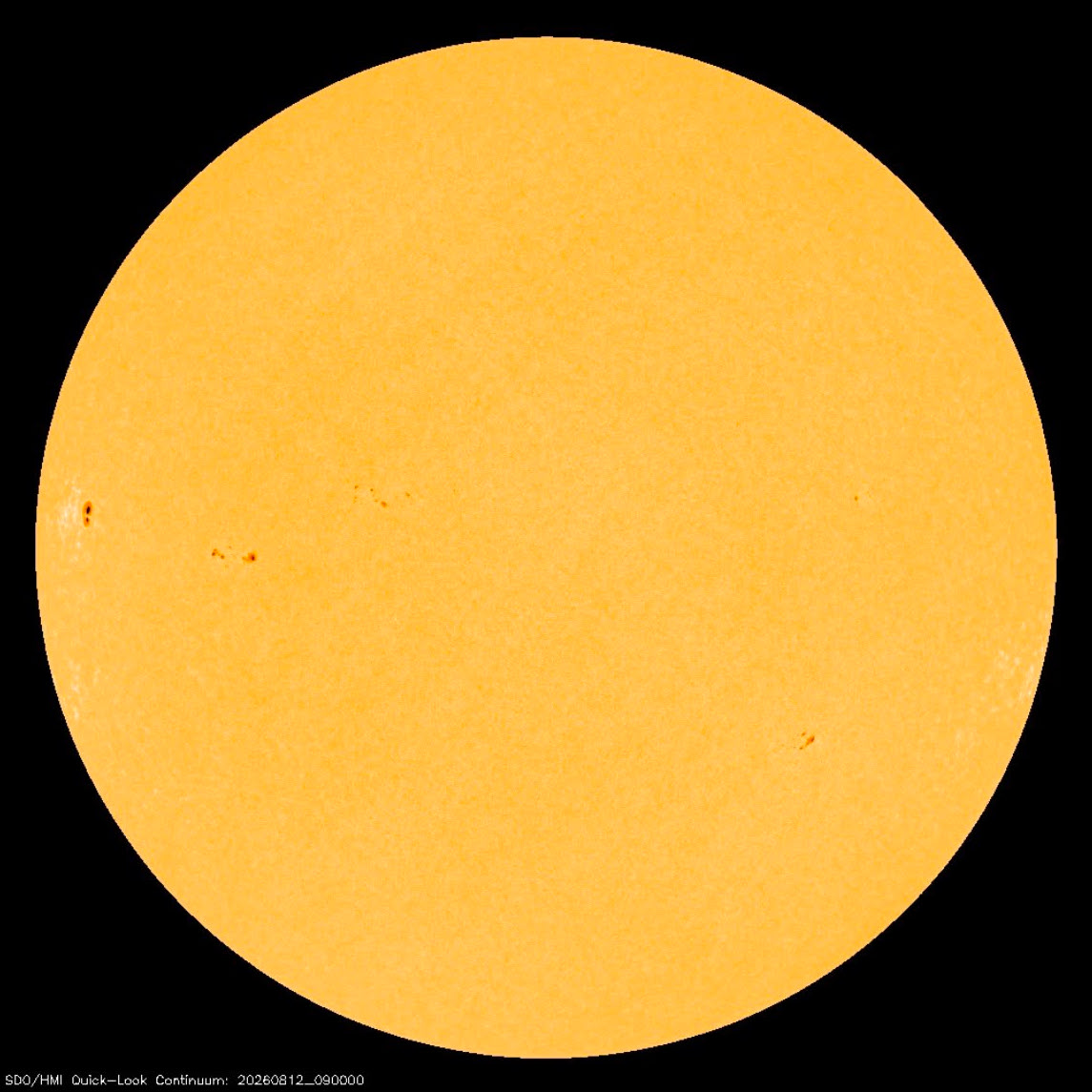
 SOHO continuum image
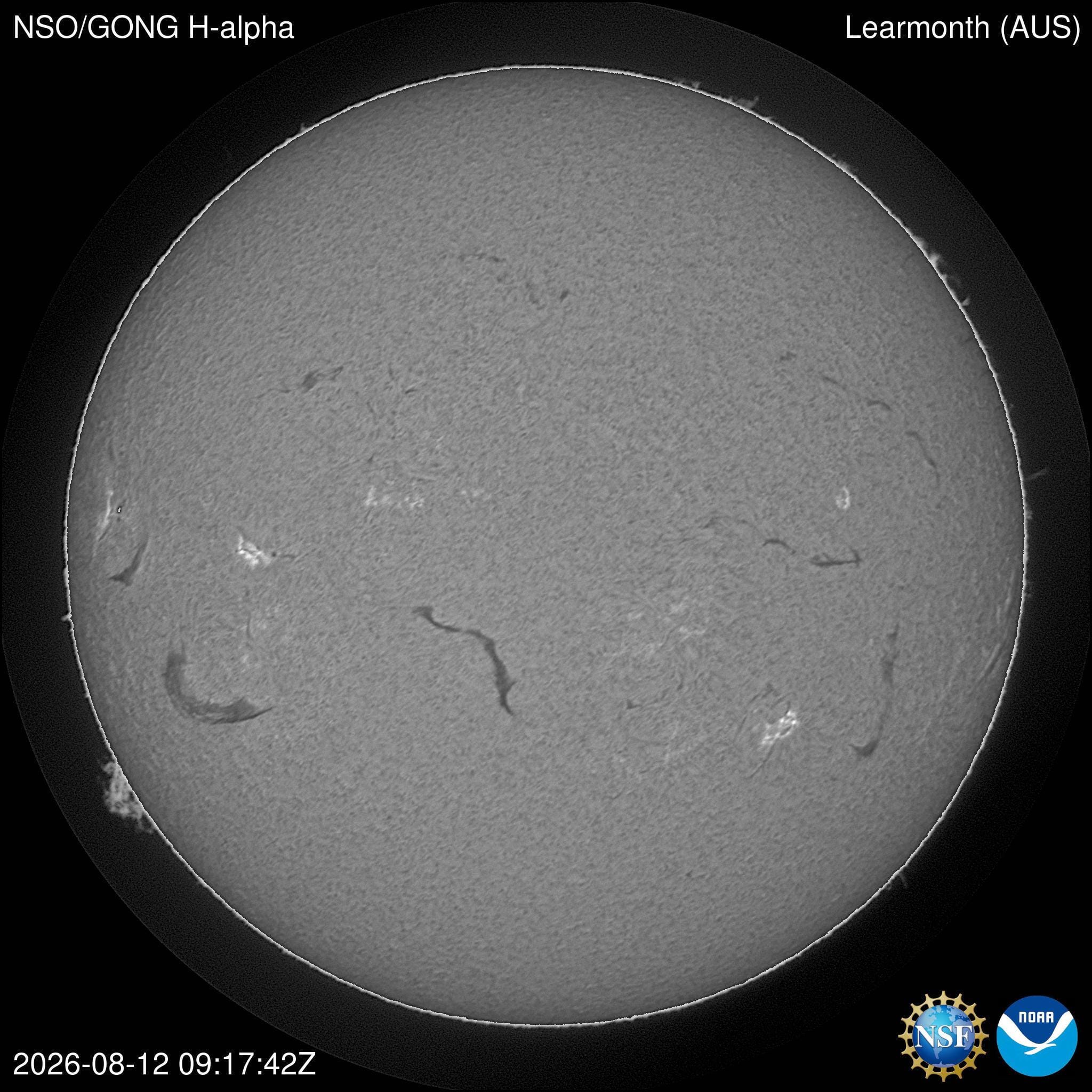 GONG image
Orwell Astronomical Society (Ipswich)
Solar Eclipse,
12 August 2026
A solar eclipse took place on 12 August 2026. Details were as follows (UT):
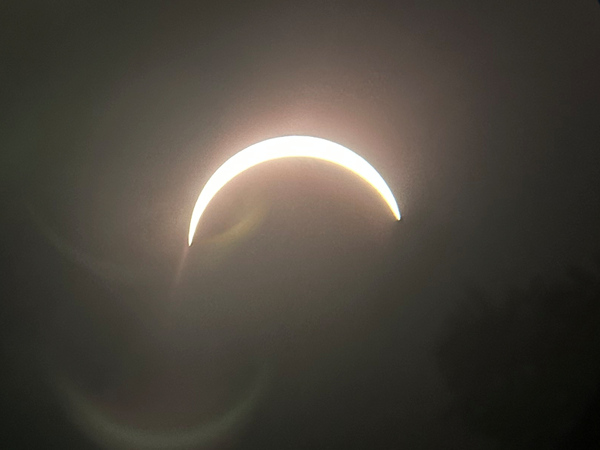
From the UK, the event was visible as a partial eclipse, with the greatest obscuration of the Sun approximately 90%, the deepest covering until the next total eclipse over the country in 2090. Members of OASI observed the event from the UK and Spain (where it was visible as a total eclipse).
On the morning of the eclipse, images from the SOHO (Solar and Heliospheric Observatory) spacecraft and NASA GONG (Global Oscillation Network Group) showed the solar disk exhibiting several large filaments, a large limb prominence, faculae, plages and a handful of relatively small sunspets. The features are visible in some of the images taken by OASI observers.
SOHO continuum image
GONG image
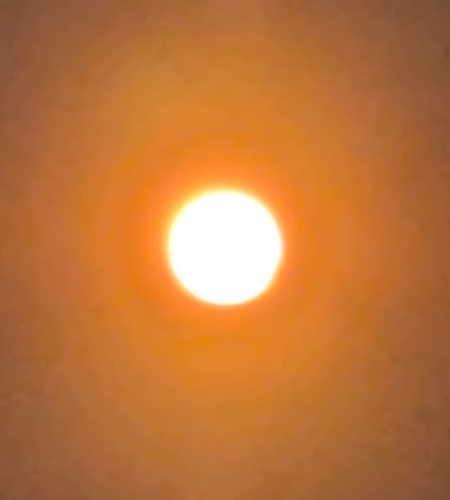
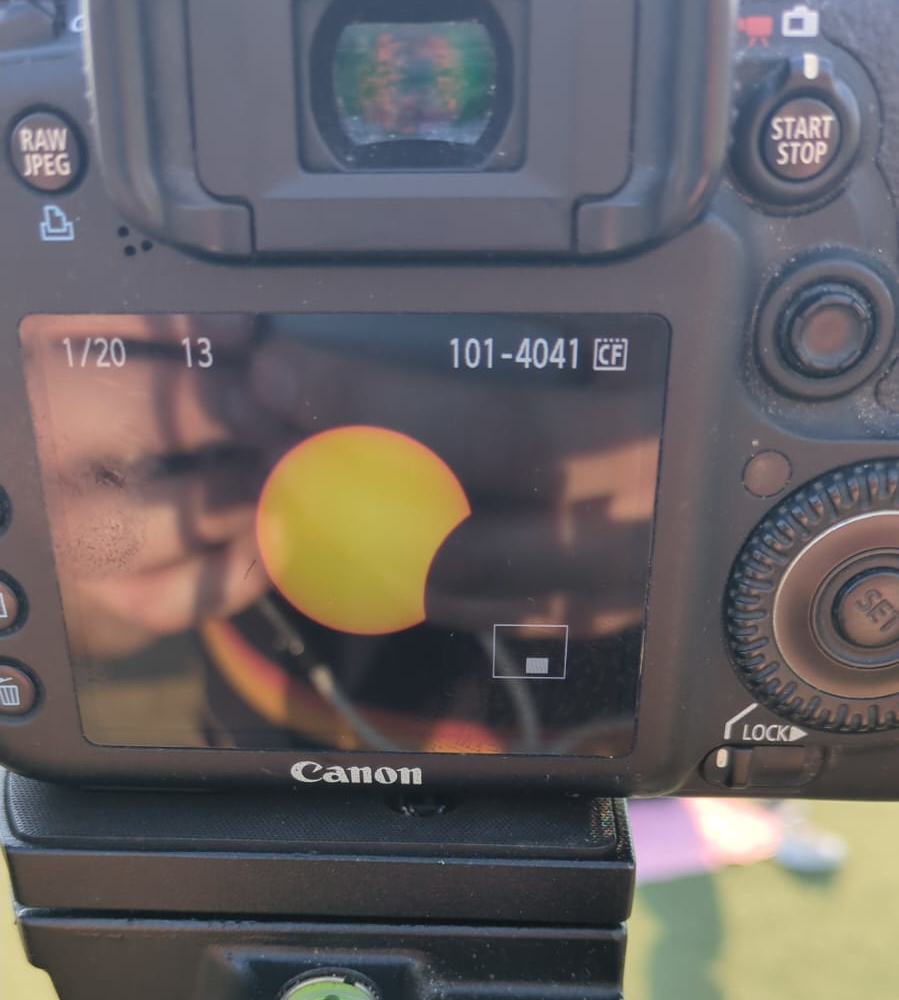
A selection of photographs from the event is below.
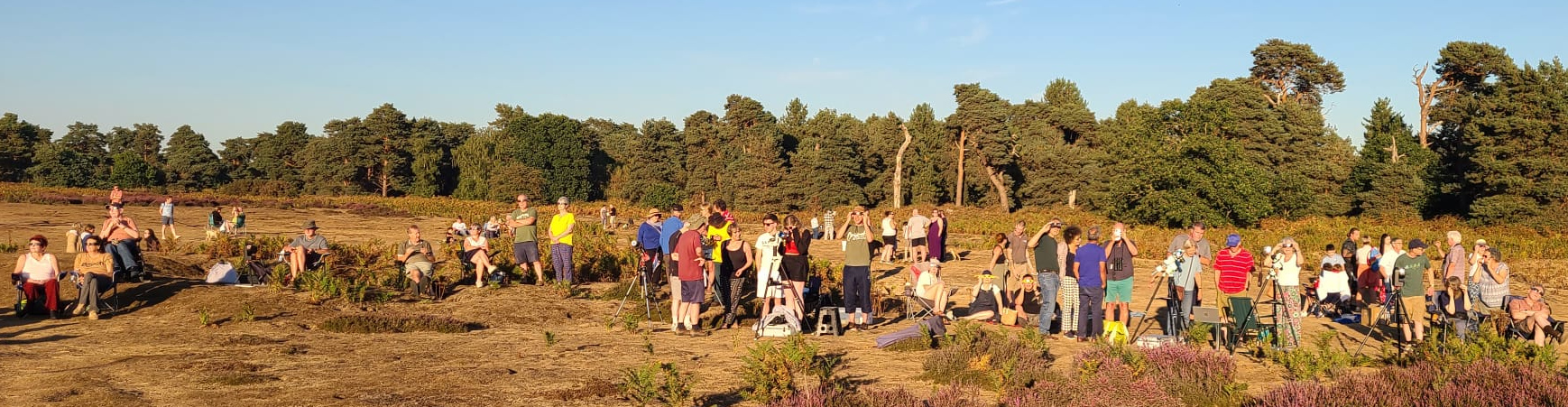
Most OASI observers watched the event from Sutton Heath, near Woodbridge, Suffolk. Martin Cook brought a plentiful supply of certified eclipse glasses for use by casual observers, and more experienced eclipse watchers brought a variety of portable telescopes. A photo of the observing site by Martin is below.
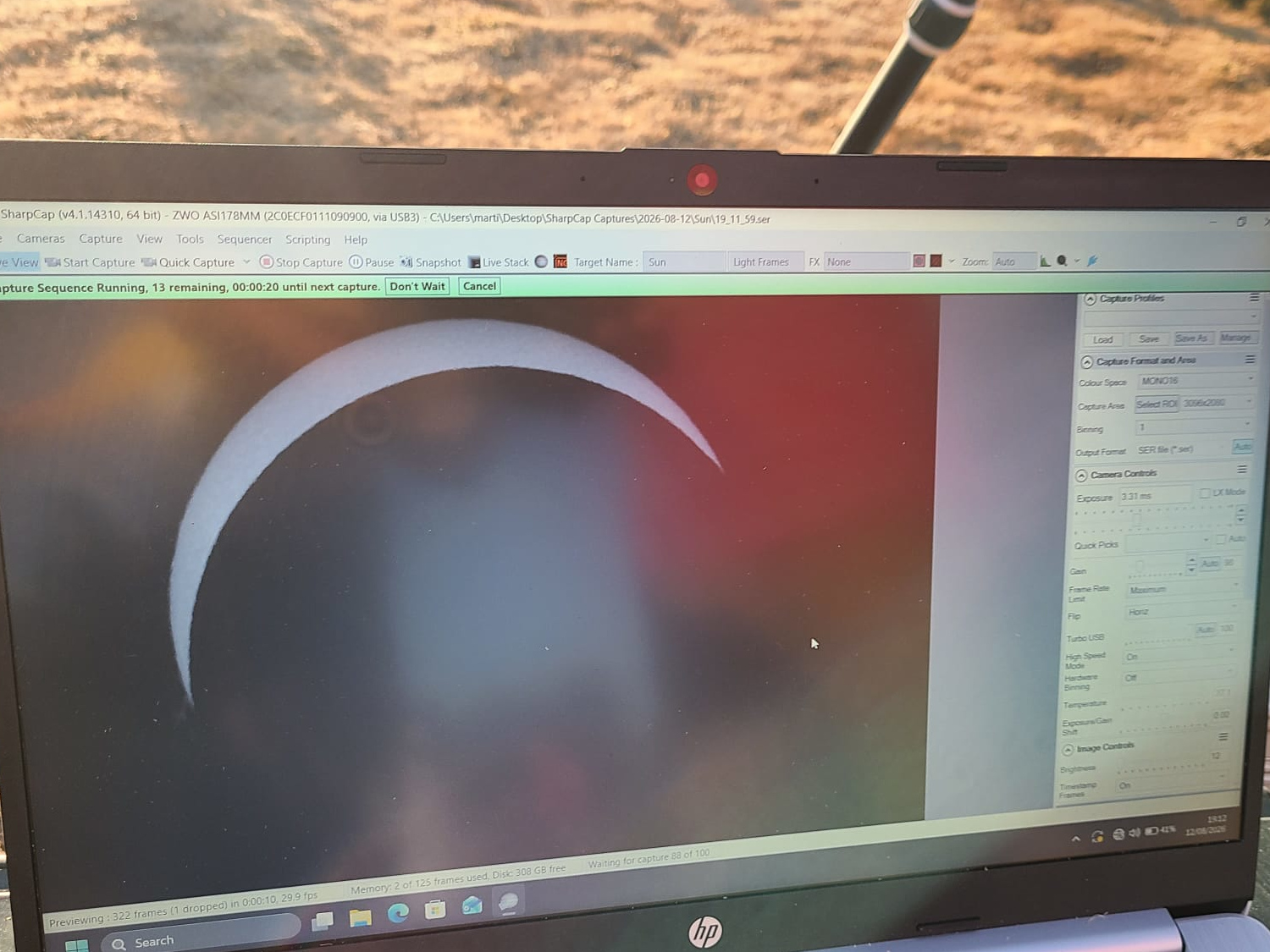
Martin observed with a Lunt LS60TH Hα telescope. The thumbnail below shows imaging in process around the time of greatest eclipse, and the video shows the first three minutes of the eclipse, speeded up by x6.
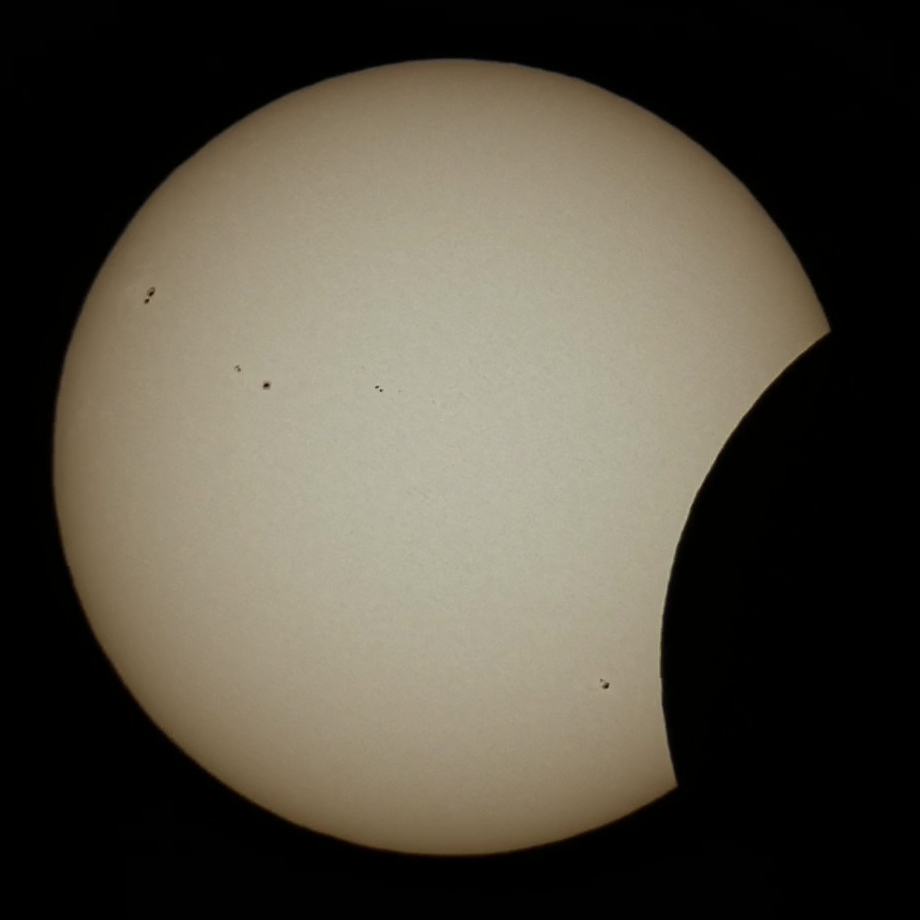
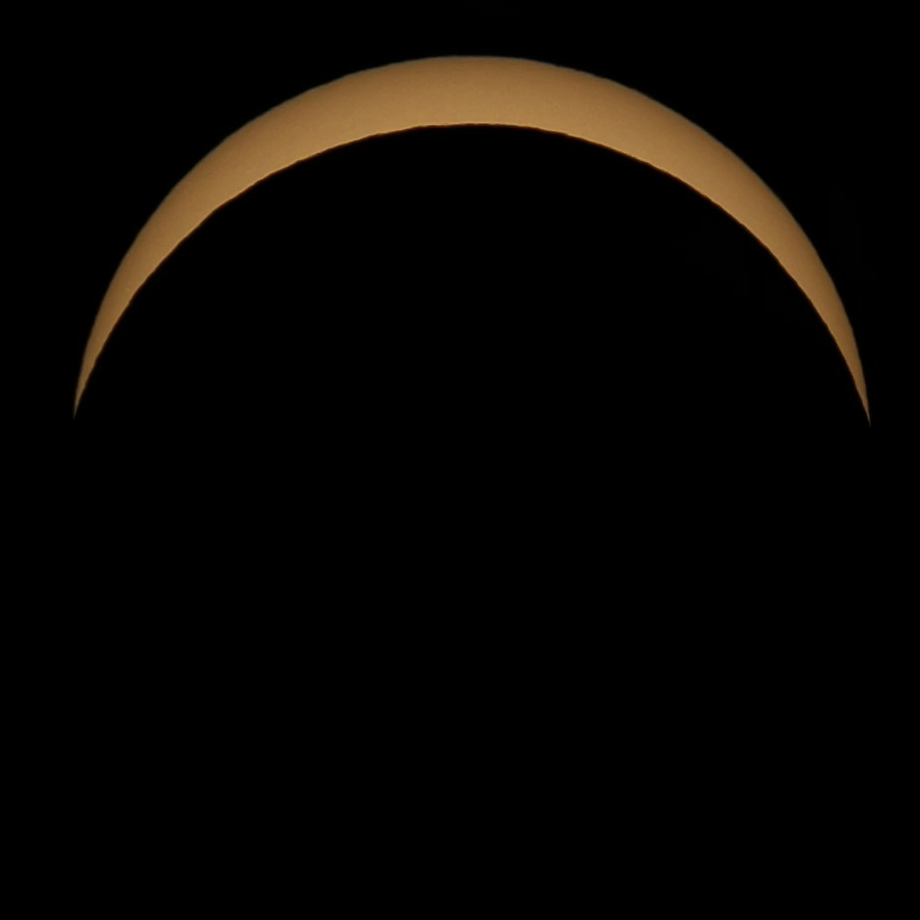
Andy Gibbs used a Seestar S50, with Baader white light filter, to create a timelapse video of the eclipse, taking an image every 20 seconds. The video was edited in PIPP to improve stability of the image. The end of the eclipse was hidden by trees on the horizon.


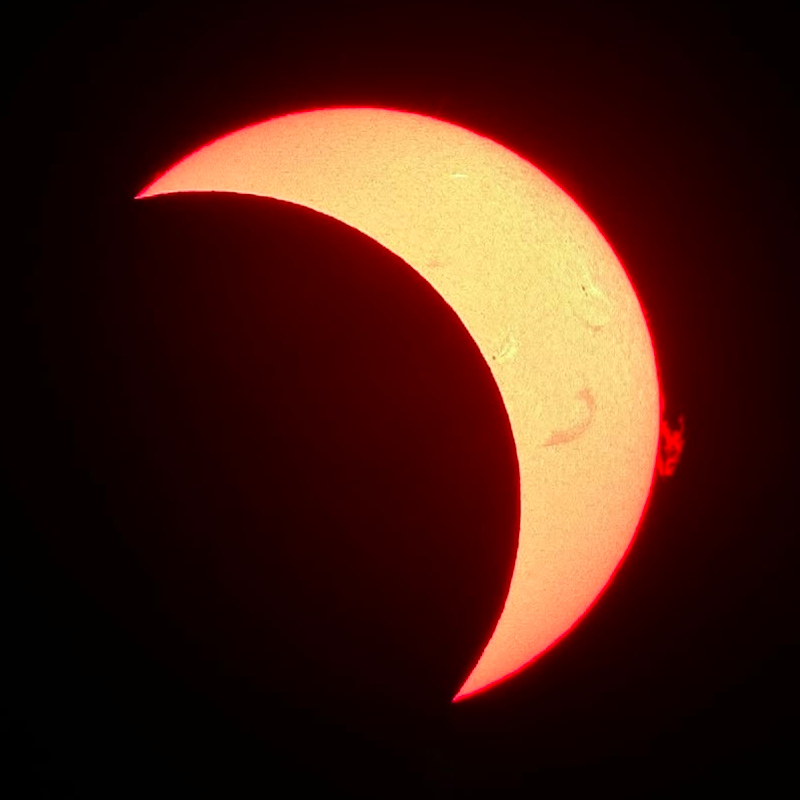
Matthew Leeks used a Lunt 60 mm Hα telescope, which revealed a large filament and, nearby on the limb, a large prominence.
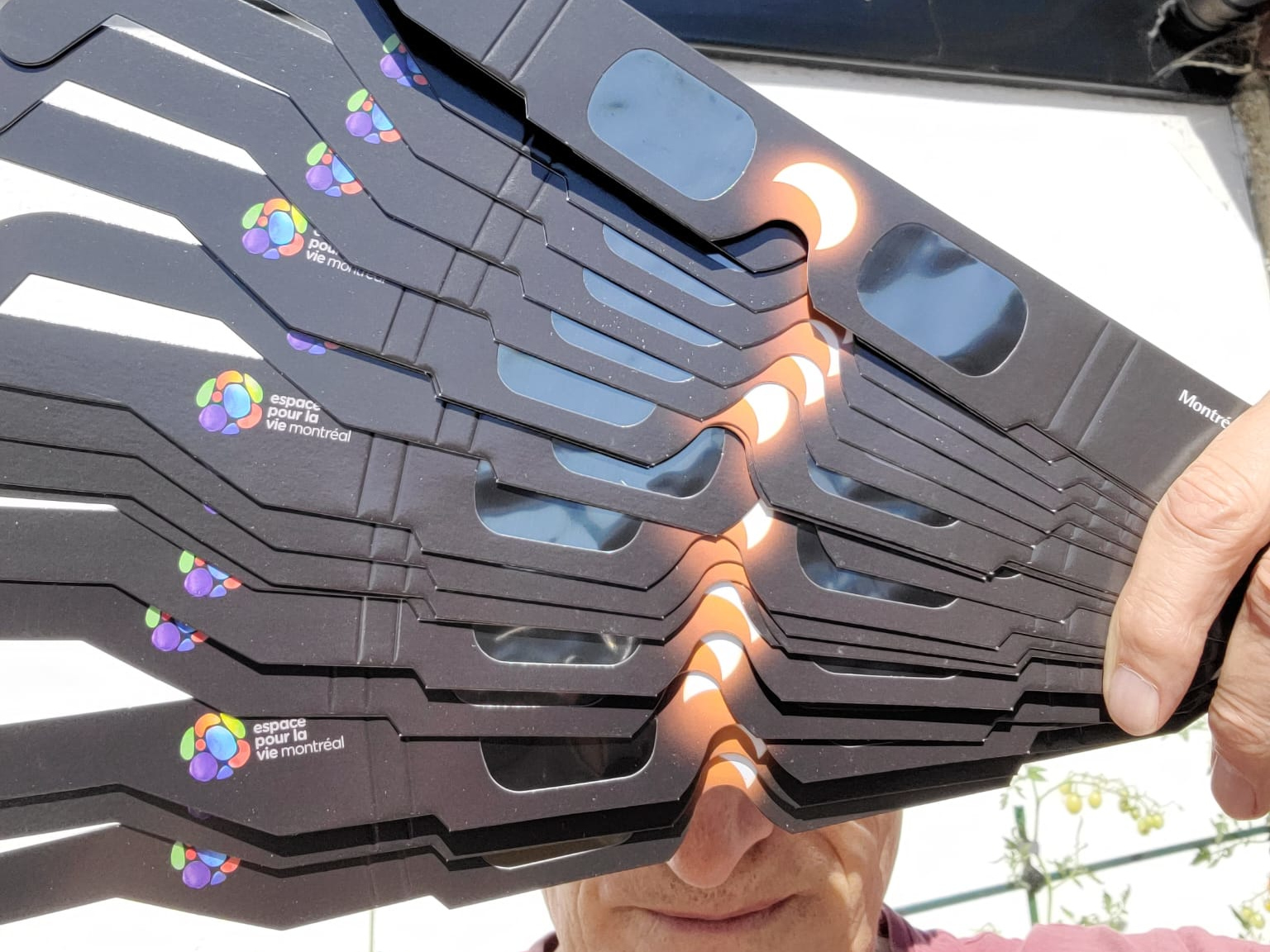
Nick Tipping obtained images by photographing through a pair of eclips glasses with an iPhone.
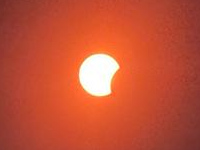
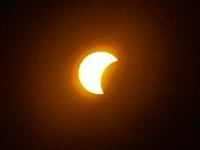
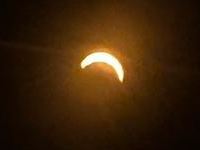

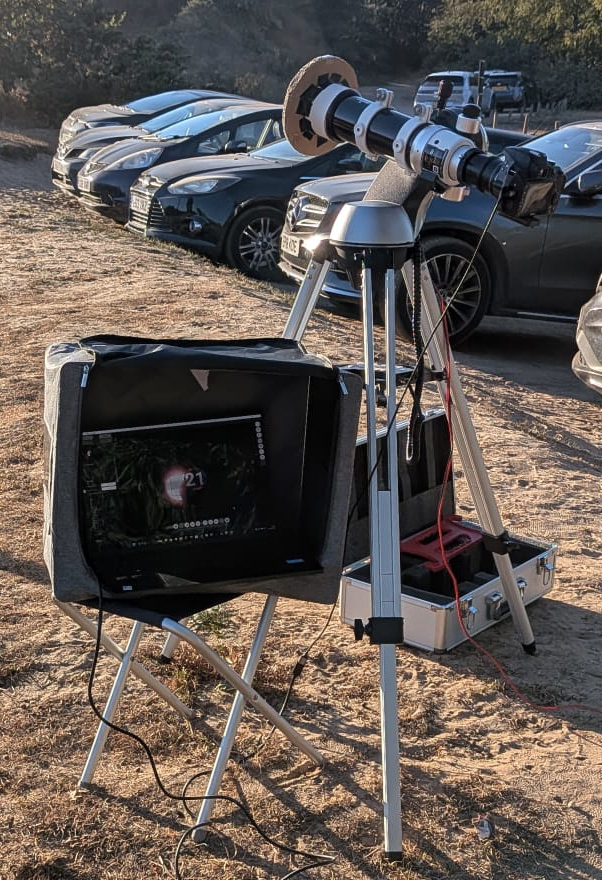
Stephen Olley used a Skywatcher Evostar 72 on an altaz mount with Nokon D3400 SLR and a homemade solar filter.
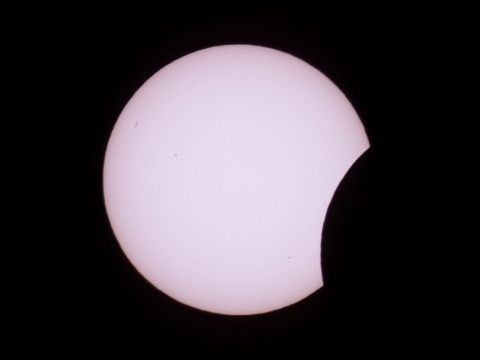
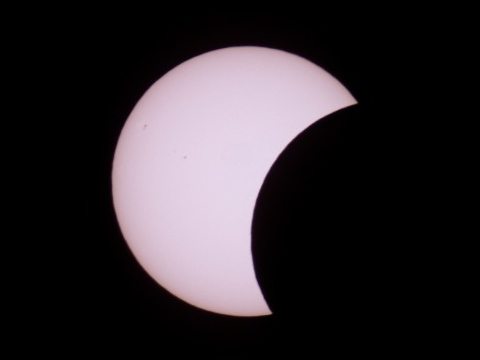
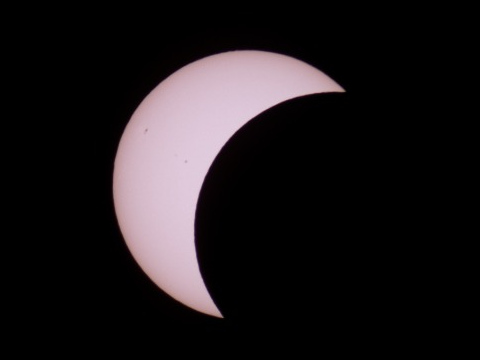
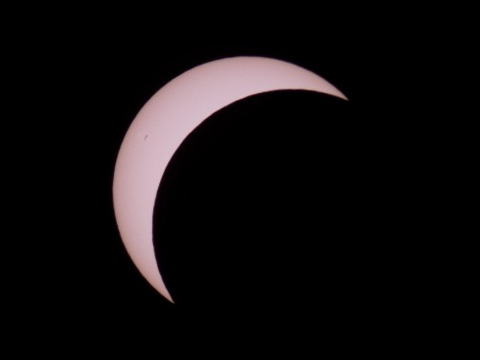
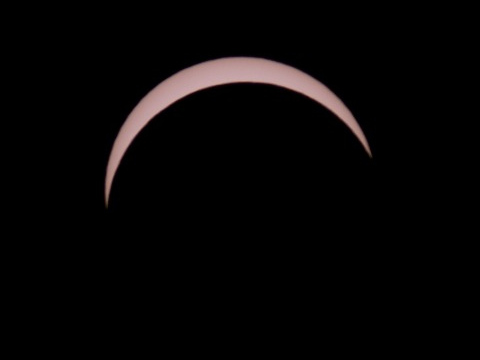
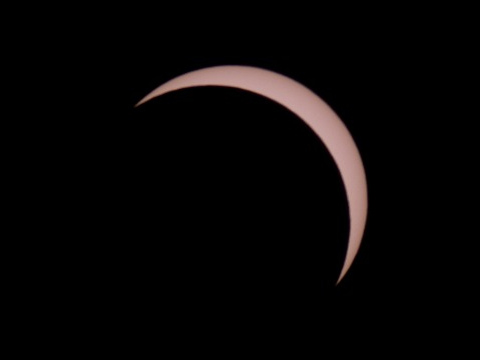
Video by Gabbi Crane.
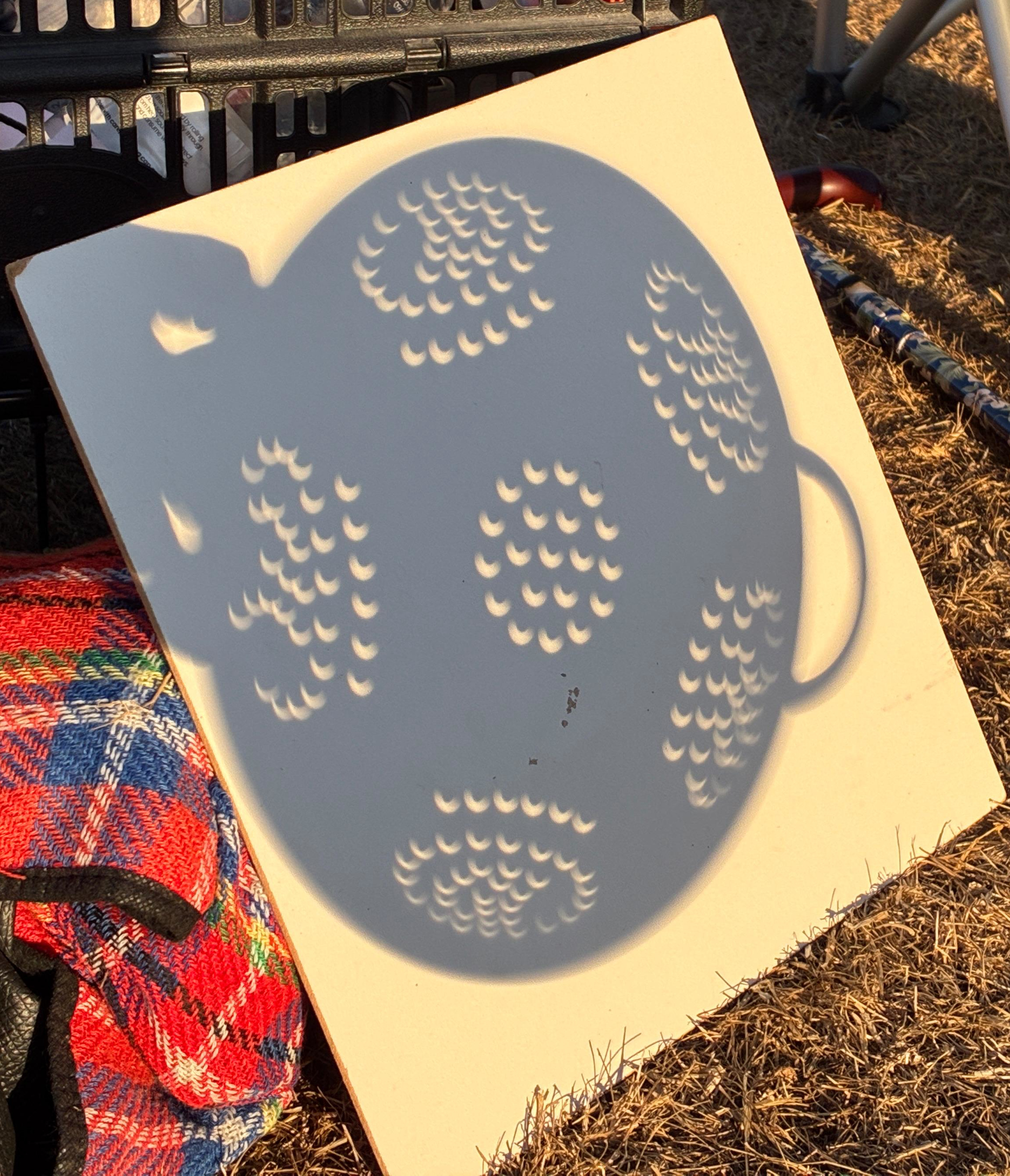
Mike Whybray observed from Nacton sports field, where he used a colander as a multiple pinhold camera!
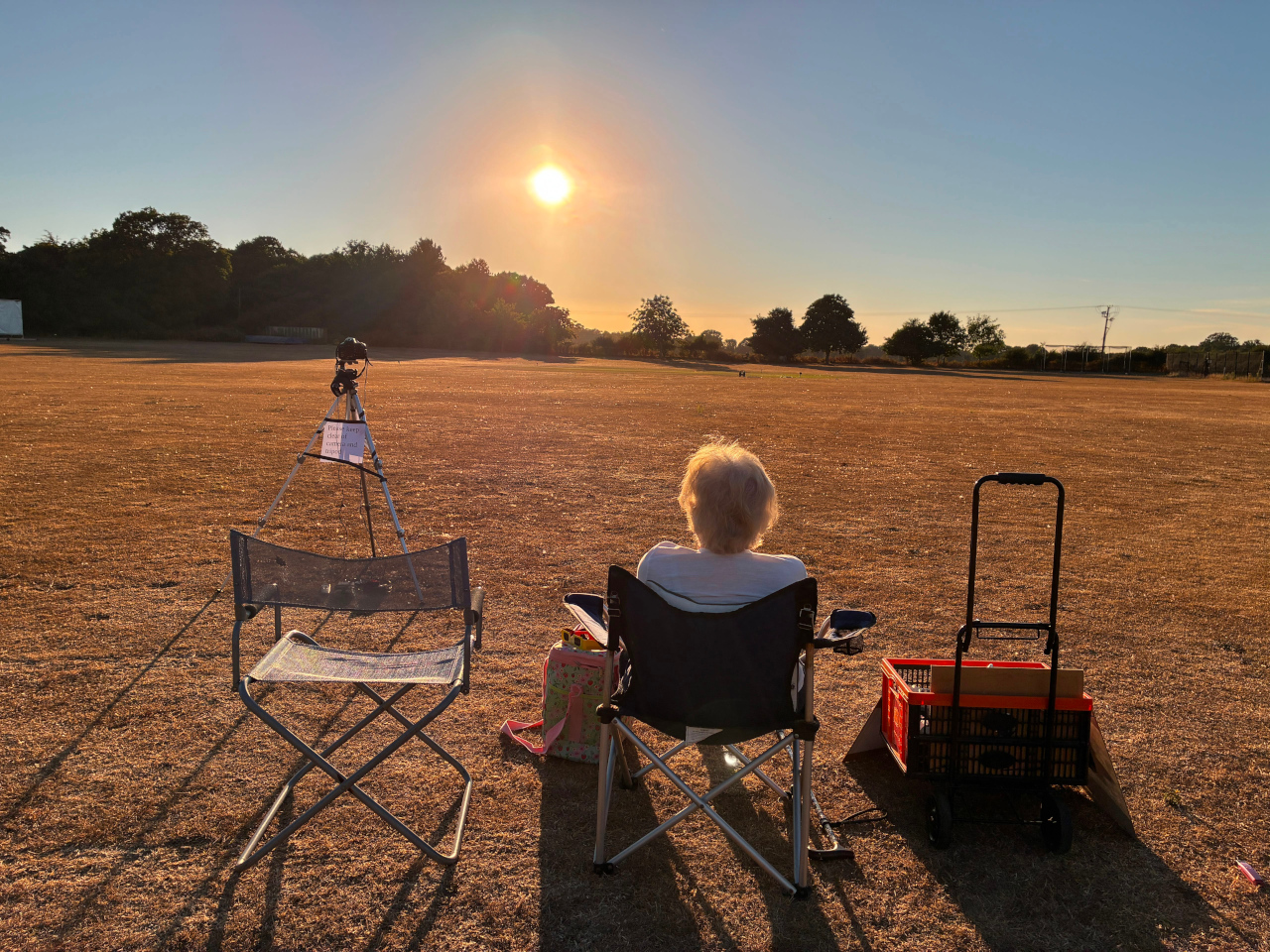
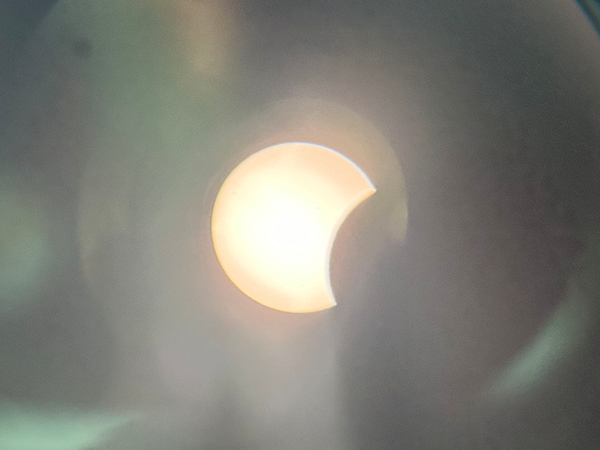
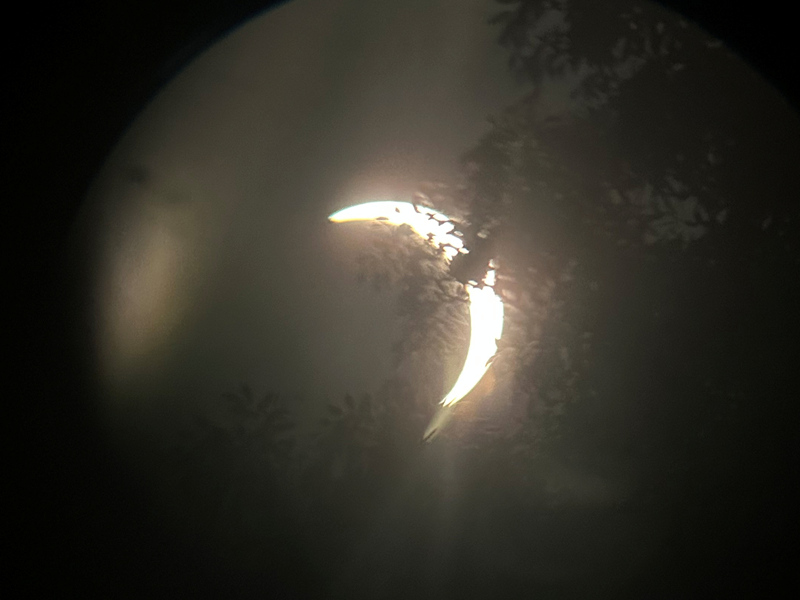
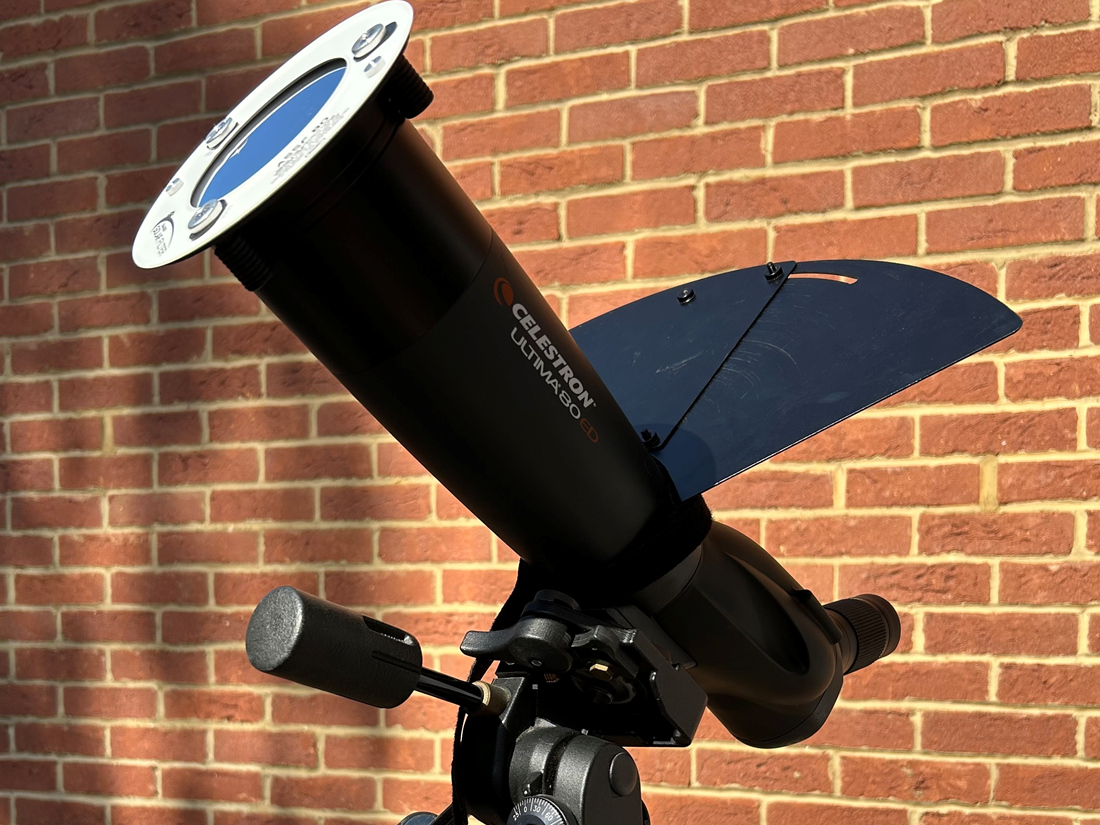
Bill Barton, FRAS observed from East Ipswich using a Celestron Ultima 80 80 mm spotting scope.
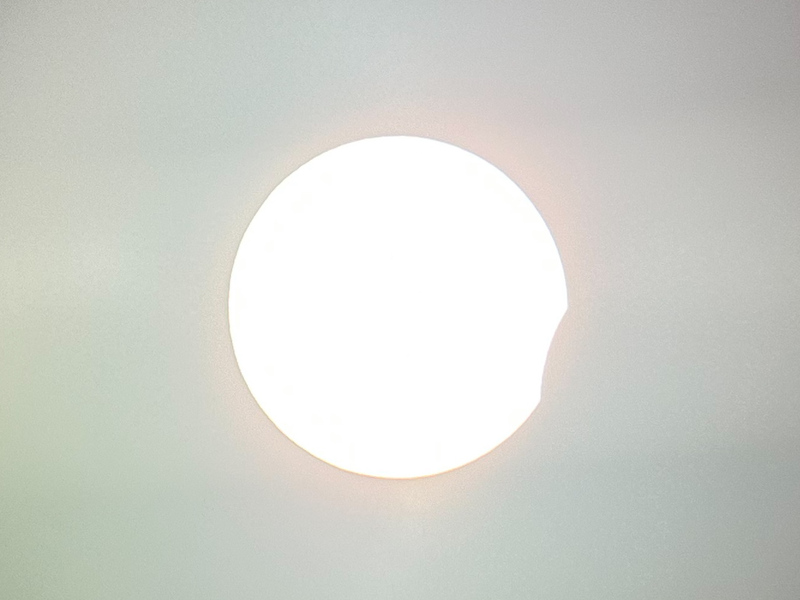


Adam Honeybell observed from Spain. The stills show the observing site before commencement of the eclipse, first contact, and mid-eclipse. The video records totality.

Paul photographed totality with a Nikon D3200 and 300 mm telephoto lens at f/5.6. Exposure times and ISO ratings are as shown.
 1/1600 second, ISO 400
 1/500 second, ISO 200
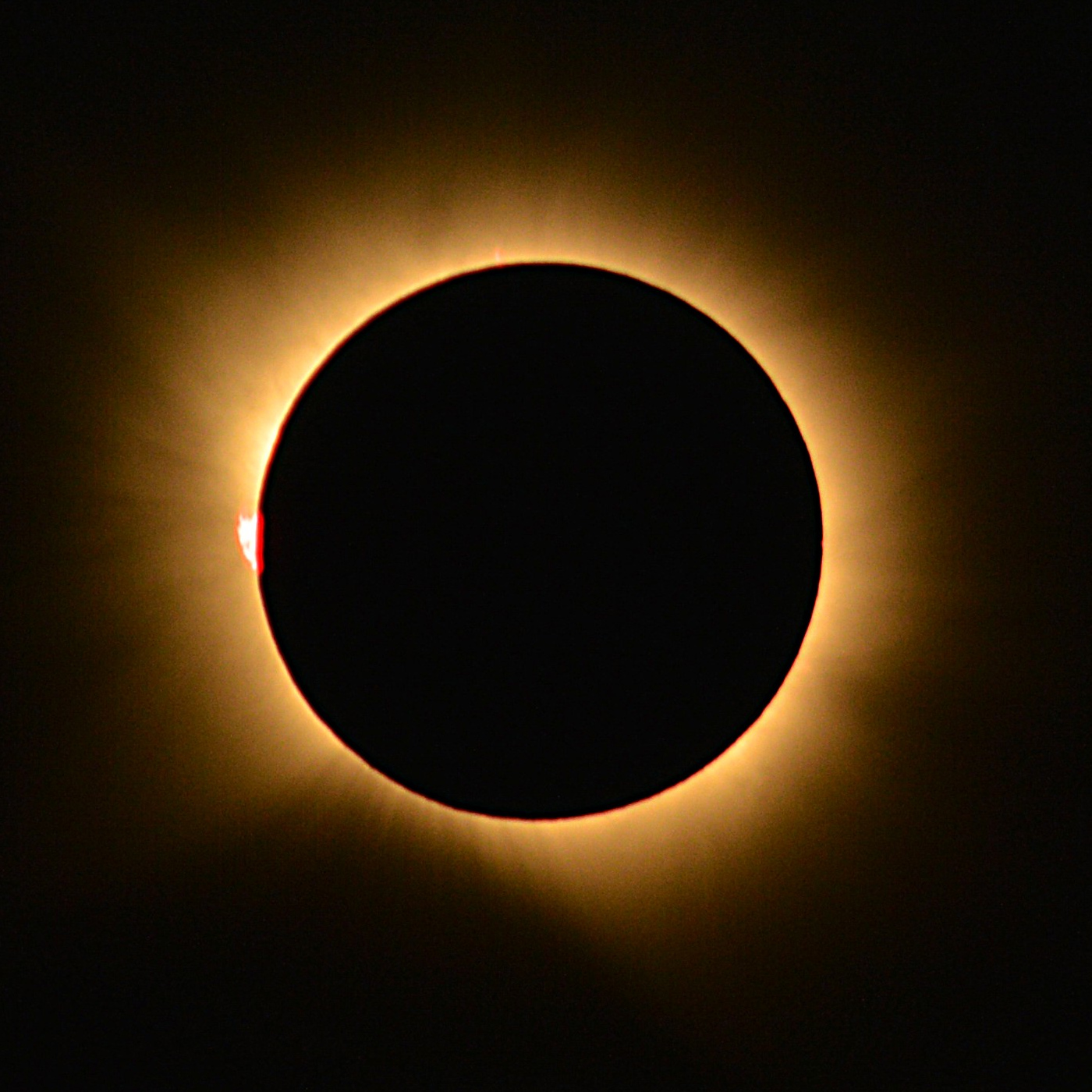 1/60 second, ISO 200
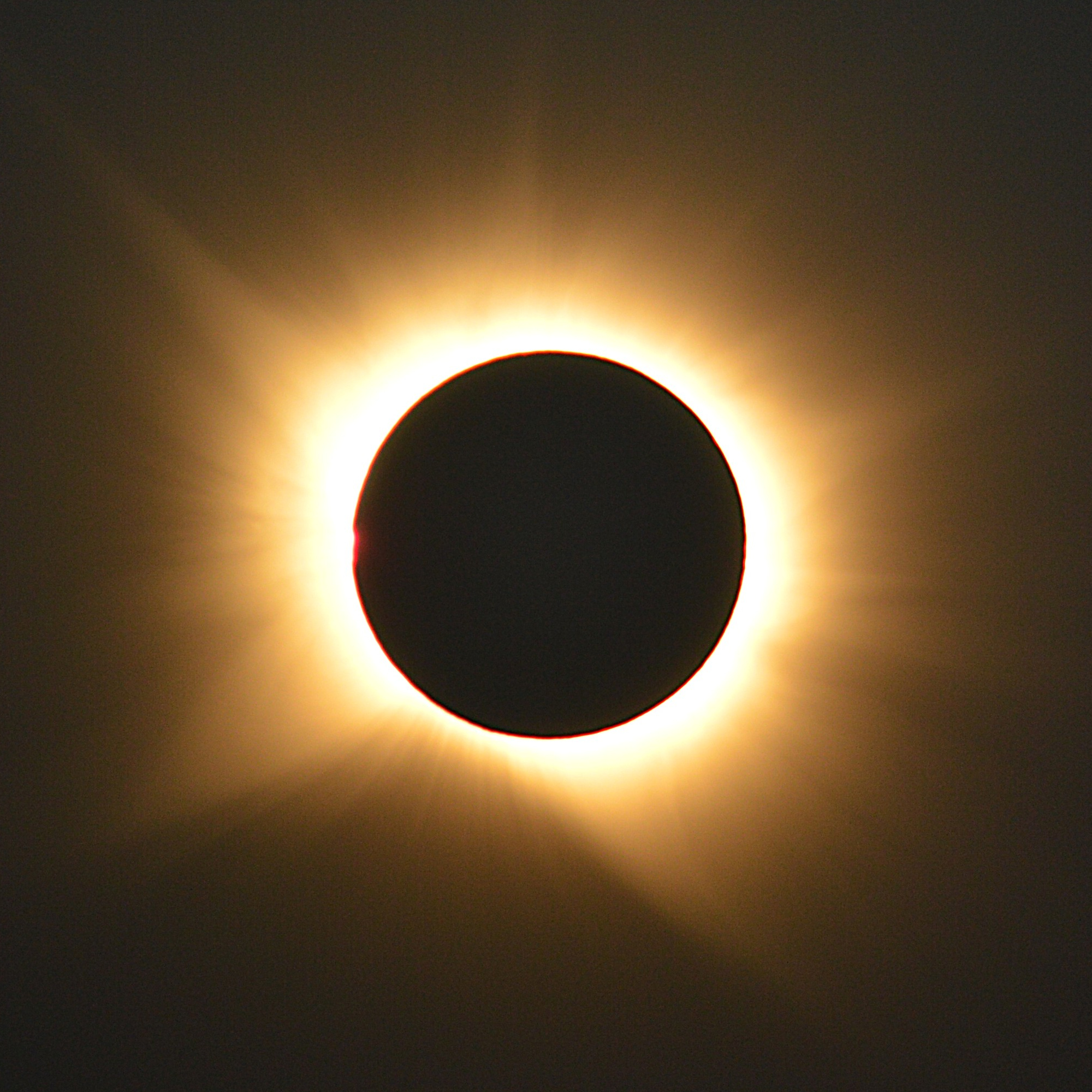 1/4 second, ISO 200
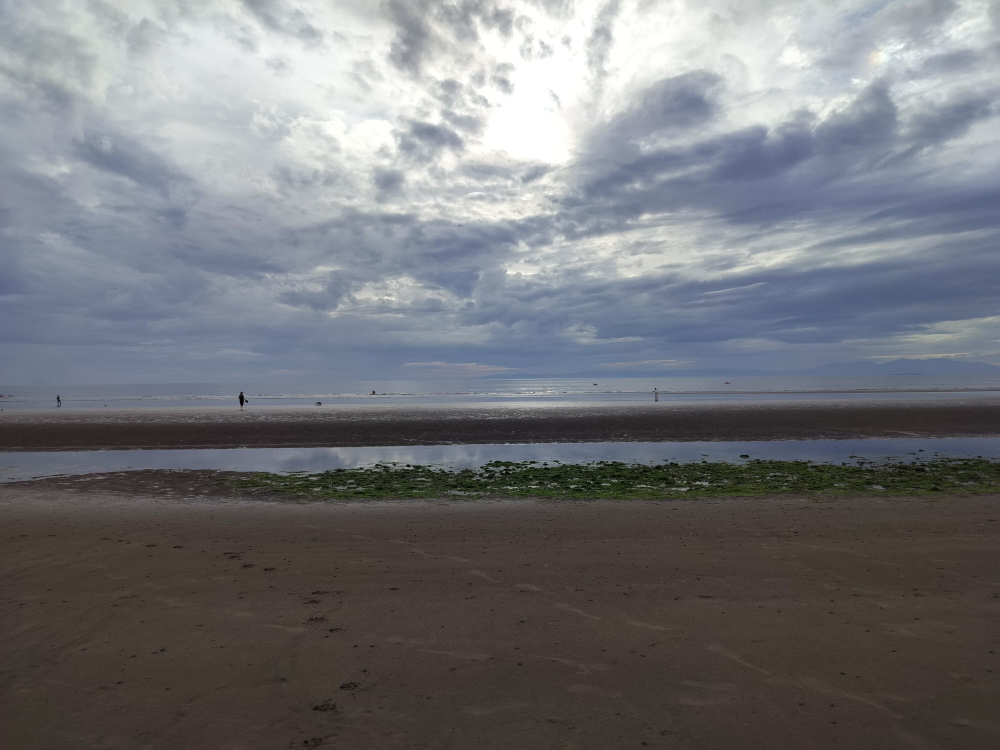
Alas, the sky over Prestwick was leaden and observations of the eclipse were not possible.