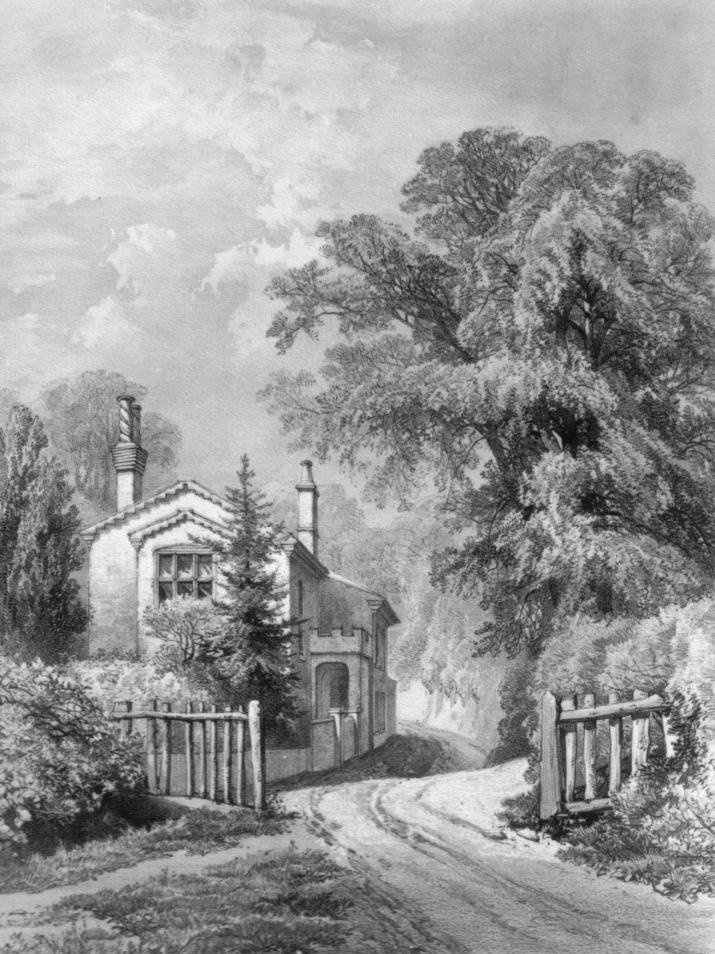
 Fig. 1. A contemporary view, by Richarda, of the cottage.
 Fig. 2. The cottage. (KJG)
 Fig. 3. The cottage with St Mary's Church in the background. (KJG)
Orwell Astronomical Society (Ipswich)
George Biddell Airy's Country Retreat
My pleasure in the wonderful science of astronomy [1] and its rich and colourful history was elevated in summer 1999 when Mr Ed O'Sullivan visited Orwell Park Observatory to progress enquiries into a former owner of his cottage, Airy's, in Church Lane, Playford. The former owner in question was no less a person than Sir George Biddell Airy (GBA), 7th Astronomer Royal! Ed's visit passed all too quickly, discussing GBA, his many scientific achievements, his links to this corner of East Anglia and Orwell Park. Ed has no links with astronomy and didn't purchase the cottage because of its astronomical history. All he knew when he bought the property in 1997 was what the estate agent said: Some famous scientist was supposed to have lived there. Following our initial meeting I sent a package of information about GBA to Ed and was delighted to receive in return an invitation to visit the cottage. In November 1999, I was privileged to make the visit and was treated to a most interesting tour of the building, with much of GBA's influence still in evidence, and the adjacent St Mary's Church where many members of the Airy family are buried and where one may see many mementos of the locally prominent Biddell family. The visit afforded me the chance to photograph the cottage inside and out for the benefit of OASI's honourary president, Dr Allan Chapman, who for some time been researching GBA in both the Greenwich archive and the Airy family papers with the intention of writing a definitive biography. (Allan has told me that such was GBA's prodigious output that the family papers alone take up in excess of 10 m of shelf space!)
GBA was born in Northumbria but spent the great bulk of his formative years in East Anglia around Ipswich and Colchester. His uncle, Arthur Biddell, owned Luck's Farm at Playford (over the past 180 years the name of the farm has mutated to Lux) and was GBA's greatest influence. By the age of 27, GBA had graduated from Trinity College, Cambridge and held both the prestigious Lucasian and Plumian professorships at Cambridge University and was a director of the Cambridge Observatory. His wife, Richarda (née Smith) hailed from Edensor, Derbyshire. Her father was chaplain to the Duke and Duchess of Devonshire at Chatsworth. In those days, it was the custom for a graduate from a Cambridge college when travelling to seek out fellow "old boys" (perhaps to save on accommodation costs?) When GBA was touring the Peak District, he called on Richarda's father (a fellow graduate of Trinity College) and immediately fell in love with Richarda! Her father wouldn't permit a marriage until GBA could properly support her; immediately he had secured the Plumian chair at Cambridge - with its various fiscal benefits - he returned to Chatsworth to claim his bride.
GBA can be considered the first truly professional British astronomer, benefitting from no independent income and having to sell his abilities in order to earn a living. His meteoric career had brought forth increasing financial reward and, having become Astronomer Royal at Greenwich in 1835, he began to look for a base around his beloved Playford to provide an occasional retreat for his family from the pressures of life at the Royal Observatory. By the early 1840s he had purchased a small cottage in Church Lane which could be traced back to Elizabethan times. Together with Richarda, he set about designing a huge extension to the premises and was able to move in around 1848. The Airys completely modernised the cottage, effectively doubling its size by the addition of a beautiful sitting room with panoramic windows, extra bedrooms, plumbing and servants' accommodation at basement level. From study of the 19th century autobiography [2] of GBA, it is apparent that although his travels took him to many parts of the UK and Europe, he would retreat as often as possible to Playford and almost never missed spending there the whole of the festive season.
The bedrooms that the Airys added to the cottage were necessitated by their large family. Although his reputation at Greenwich was almost ogre-like, GBA loved children and sired nine. There is a sadness about the cottage, however, as Victorian infant mortality took its toll and five of the nine died in childhood. Indeed, two succumbed to scarlet fever within a fortnight of each other: hardly had the Airys returned to Greenwich after the first bereavement before they were back at Playford for a second funeral. The poignancy of this is apparent in the family burial plot.
Richarda died in the Astronomer Royal's home at Greenwich in 1875 and was laid to rest at Playford. After her death, GBA retained the cottage and continued to use it as his retreat. He retired as Astronomer Royal in 1881 and maintained a residence at Greenwich (The White House). He used his sojourns to Playford as times of quiet study and to work on his many scientific papers. Amongst a myriad of interests to occupy his retirement, he was an acknowledged expert on Roman Britain and wrote a groundbreaking paper, published in Nature, April 1887, on the Roman invasion of Britain. He died at his Greenwich home in January 1892 and was buried at Playford. The cottage then passed to Wilfrid (1836-1925), the fourth eldest child and eldest surviving son. Upon Wilfrid's death it passed to his only child, Anna, who lived there until her death in 1964. Anna became an artist of some note and a number of her military paintings hang in the Imperial War Museum. She was reputed to be very much the granddaughter of GBA, with a seemingly abrasive attitude and - below the crust - a heart of gold. After Anna's death the cottage was sold out of family ownership.
Standing on the rise adjacent to the house and above it is St Mary's Church. GBA became much involved in matters concerning the church. Evidence of his tenacity can be found today inside the church in the form of a 12th century brass of a knight by the name of Felbrigge (no connection with Felbrig Hall, Norfolk). The brass was originally set into the church floor and had been damaged by countless generations of footsteps. GBA conducted a forty-year battle with the Church of England to have the brass taken up and mounted on the wall, and it seems that he fell out with at least four of the ministers incumbent during that time! Also to be viewed in the church are plaques commemorating members of the Airy/Biddell family and a splendid bust of GBA below which is a memorial plaque to Wilfrid, commissioned by Anna. Wilfrid was the engineer responsible for the scientific apparatus at Orwell Park Observatory, and is thus of especial relevance to OASI, so the wording of his memorial is of particular interest:
In constant memory of Wilfrid Airy. Eldest son of Sir George Biddell Airy KCB Astronomer Royal and Richarda, his wife. Born September 19th 1836 at the Royal Greenwich Observatory. Married April 27th 1881 Anna, younger daughter of Professor Listing of Gottingen. Died at Playford October 8th 1925.
The reference to Wilfrid's father-in-law being Professor Listing of Gottingen is intriguing. GBA was very much a "European" and always made great efforts to establish links with observatories and astronomers on the continent. Gottingen Observatory was one of ten major such facilities in Germany during the 19th century and GBA was a great admirer of the accuracy of star catalogues derived from their observations. I speculate that Listing was an astronomer there, however, I have as yet been unable to find a reference to him and still have to research this area.
A small pamphlet [3] titled Playford Church, written by Anna Airy in October 1956, provides an amusing anecdote concerning the church:
Until the early part of the 1800’s a wooden gallery ran across the west end of the church to accommodate the "singers" and a village musician… This band of talent called every Sunday at Sir George Airy’s house in the lane close by to the church, for the loan of a metal tea-tray "to get the keynote" which unusual form of pitch pipe was duly returned to the kitchen dresser after service!… Later as civilisation proceeded, a portable "hurdy-gurdy" which played six hymn tunes was introduced but with limited success, as the mechanism jammed and the machine could not be silenced but, madly repeating the Old 100th, was removed to the church yard to play itself out!
Should you have an hour or two to spend, why not pay a visit to Playford and stroll around the church (keys obtainable from the adjacent rectory) and see for yourself the mementos of the Airy/Biddell family. Please remember, though, that GBA's Cottage is a private family home. GBA once said, There is no county in England better than Suffolk. Playford, therefore, is a fitting final resting place for, arguably, the greatest of Astronomers Royal.
Fig. 1. A contemporary view, by Richarda, of the cottage.
Fig. 2. The cottage. (KJG)
Fig. 3. The cottage with St Mary's Church in the background. (KJG)
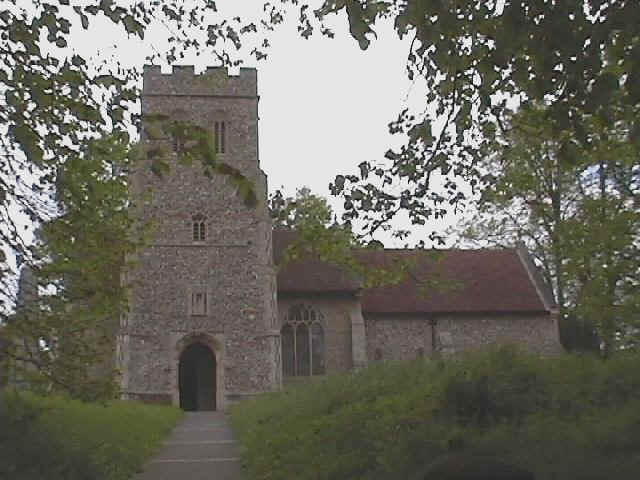 Fig. 4. St Mary's Church (front). (KJG)
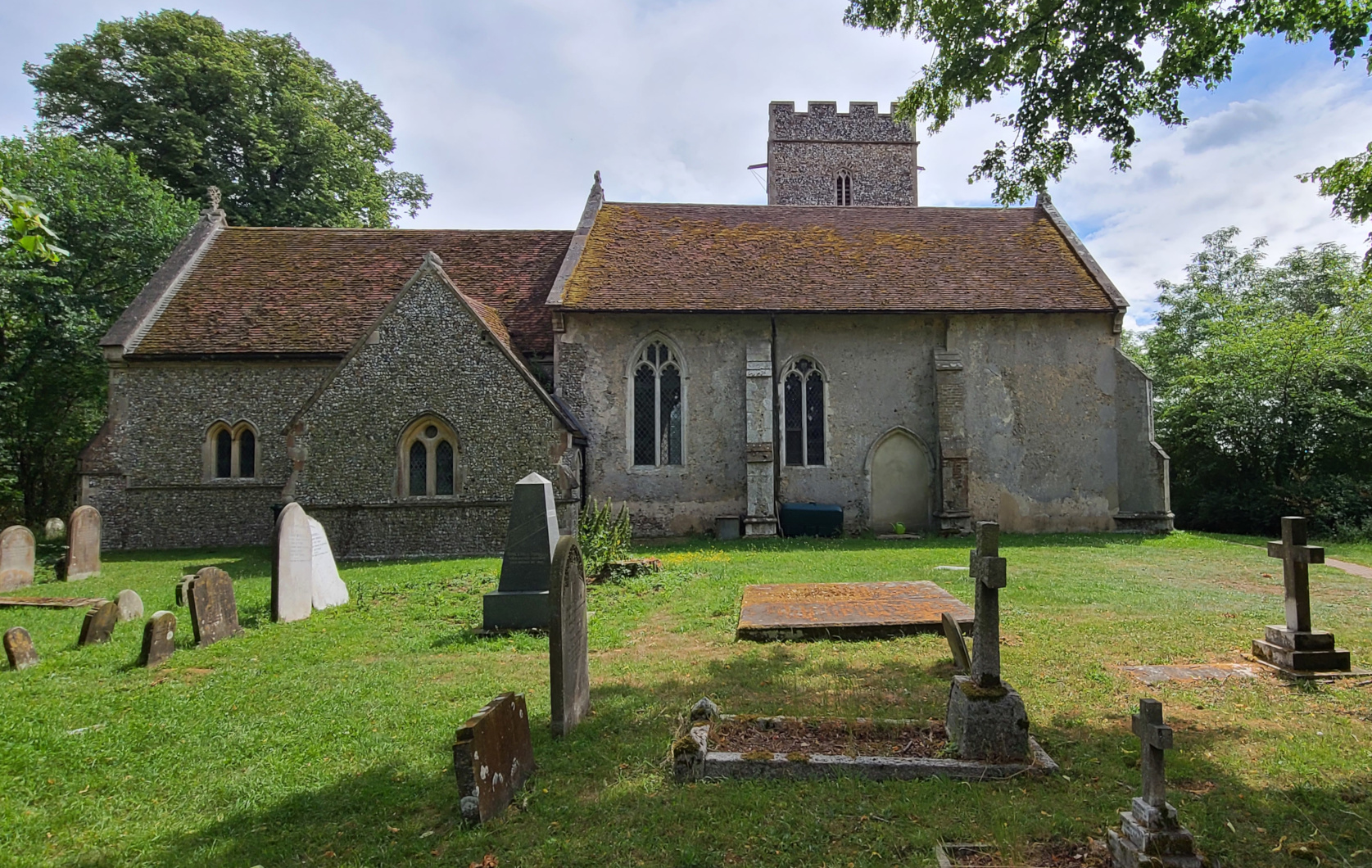 Fig. 5. St Mary's Church (rear). (MPC)
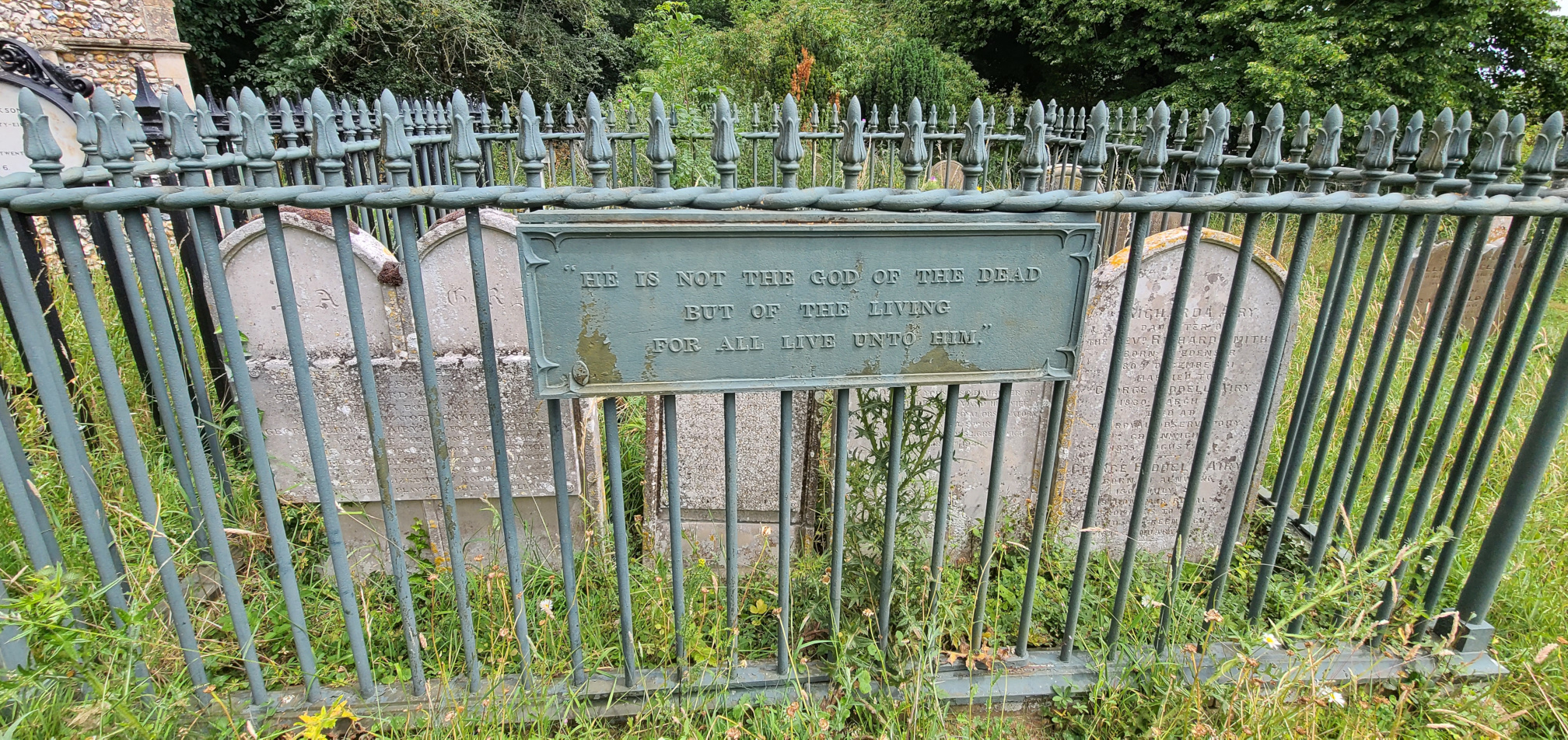 Fig. 6. The Airy family graves in St Mary's churchyard (front). (MPC)
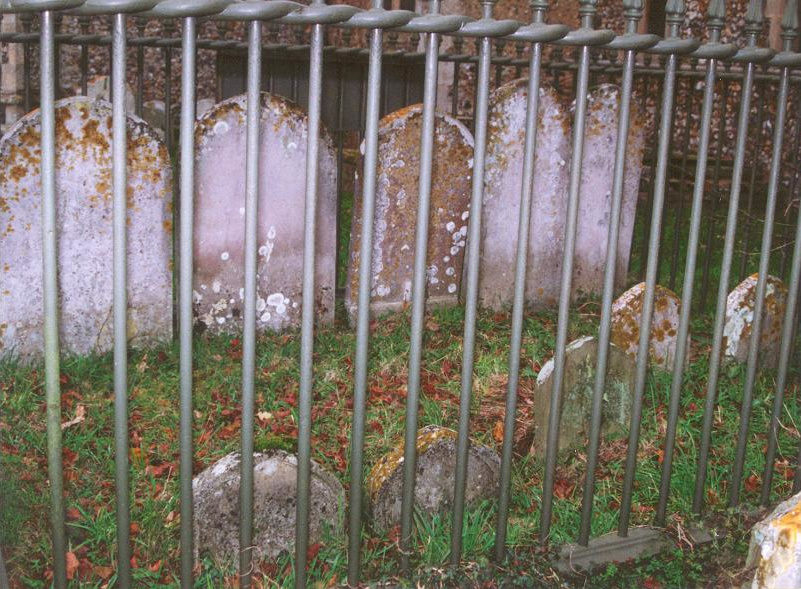 Fig. 7. The Airy family graves (rear). (KJG)
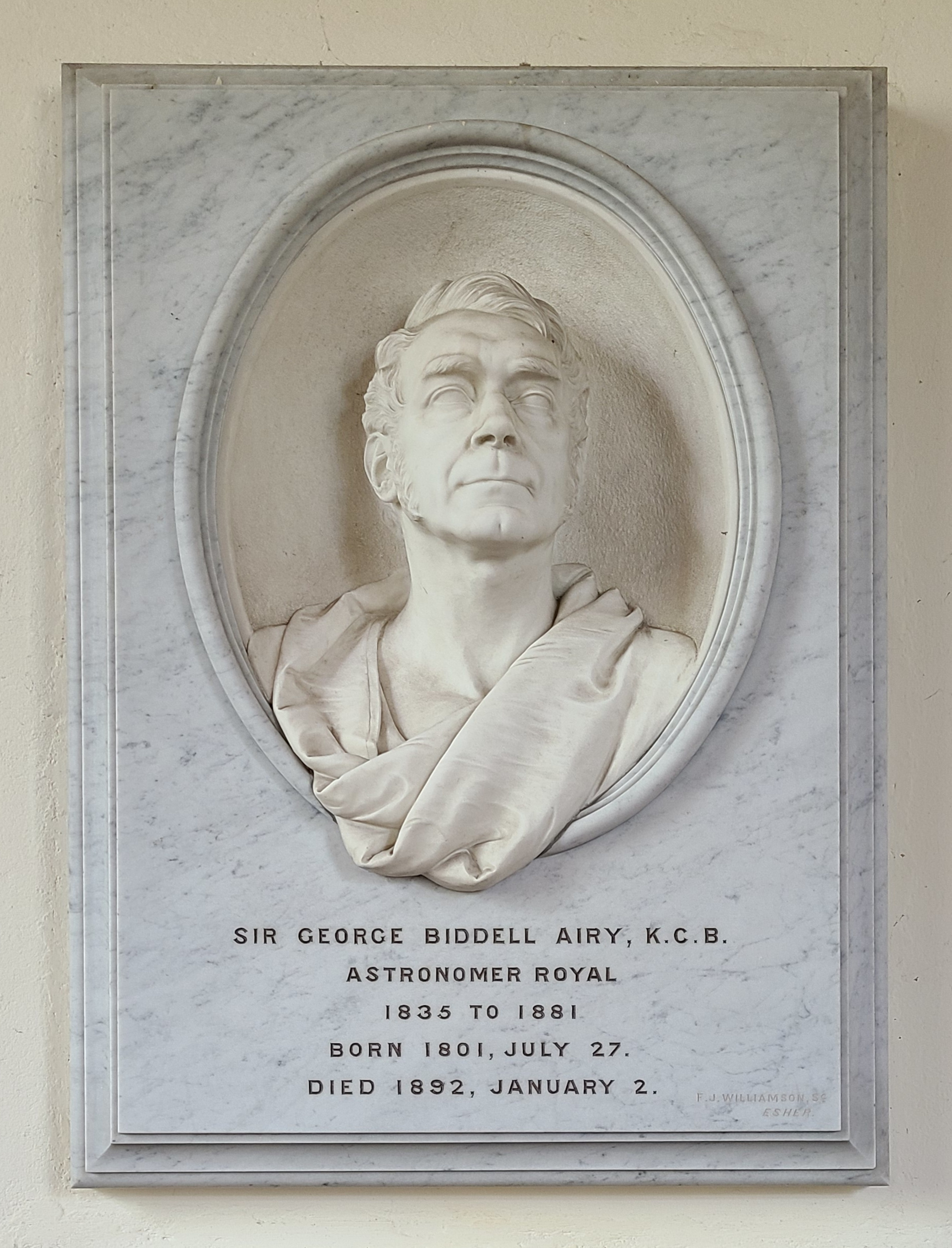 Fig. 8. Bust of GBA. (MPC)
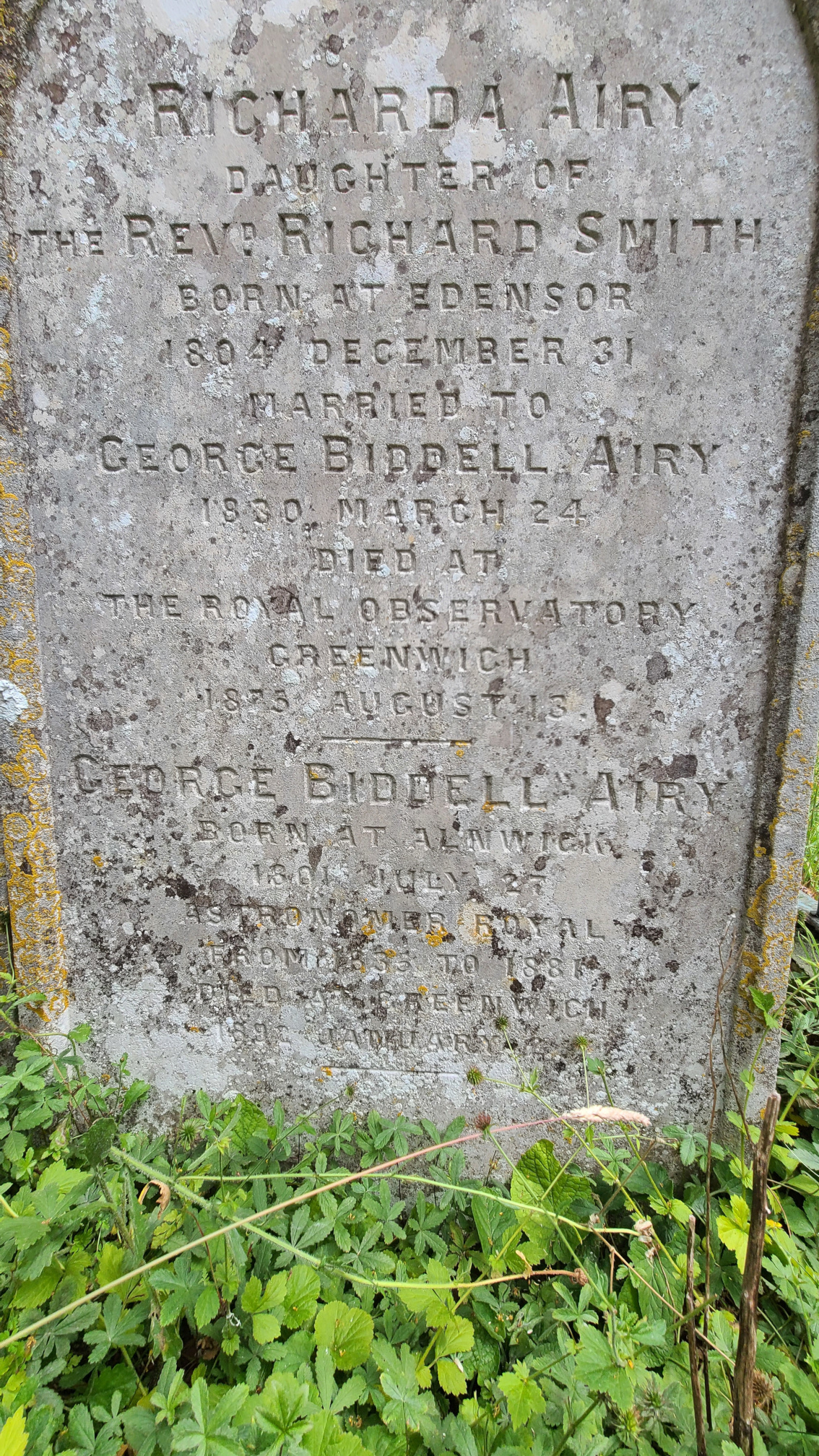 Fig. 9. Headstone of GBA and Richarda Airy. (MPC)
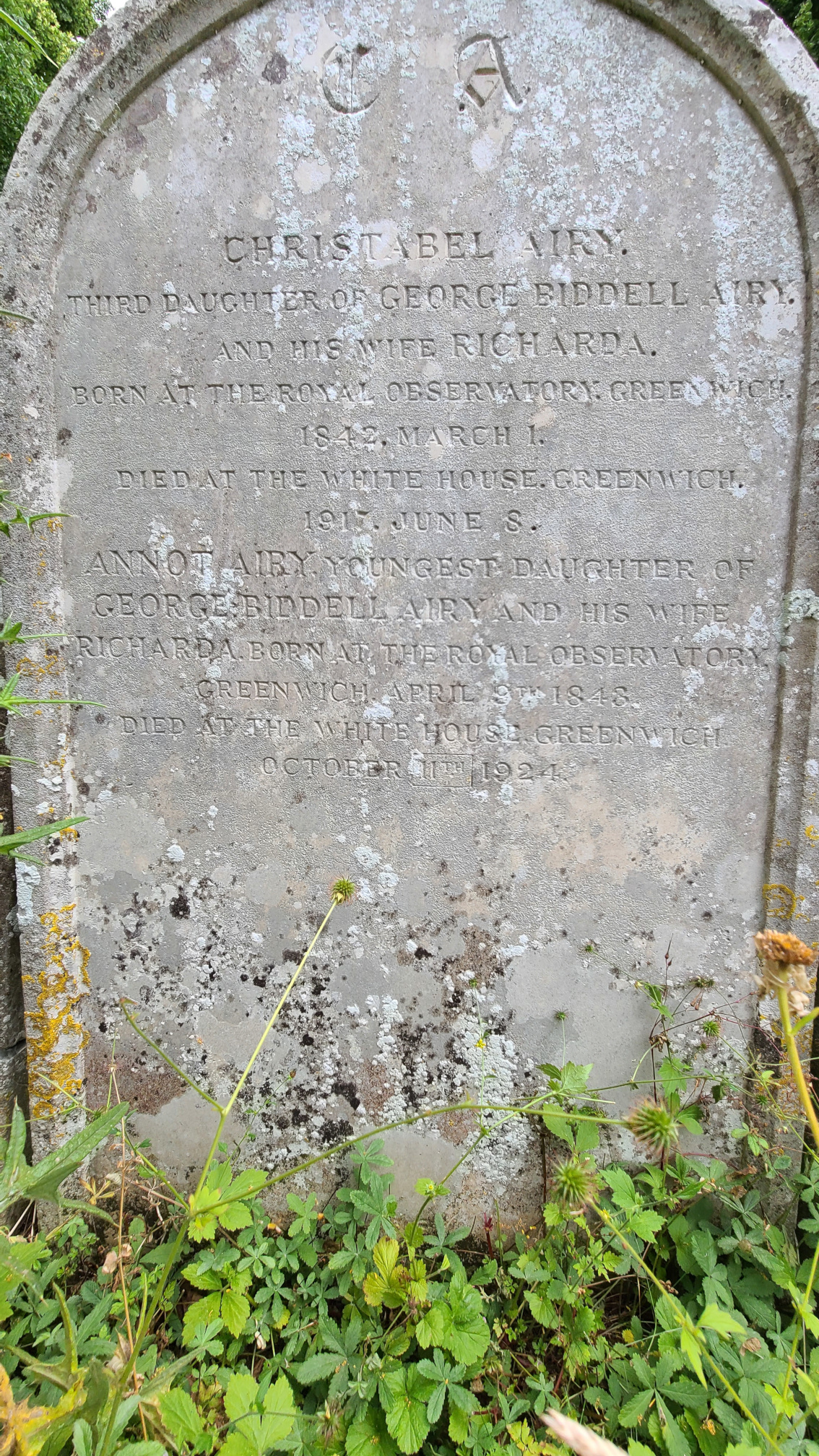 Fig. 10. Headstone of Christabel and Annot Airy. (MPC)
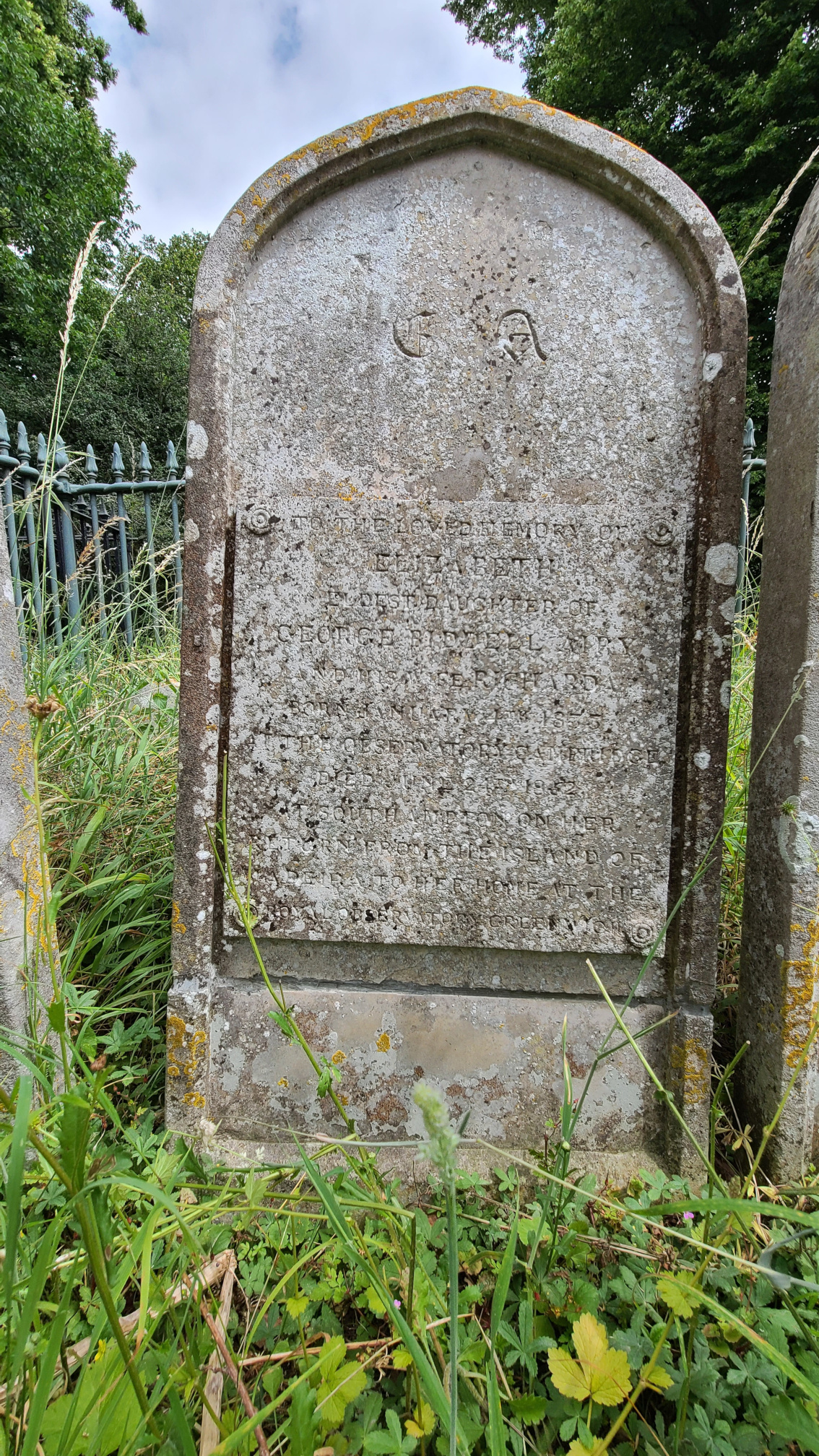 Fig. 11. Headstone of Elizabeth Airy. (MPC)
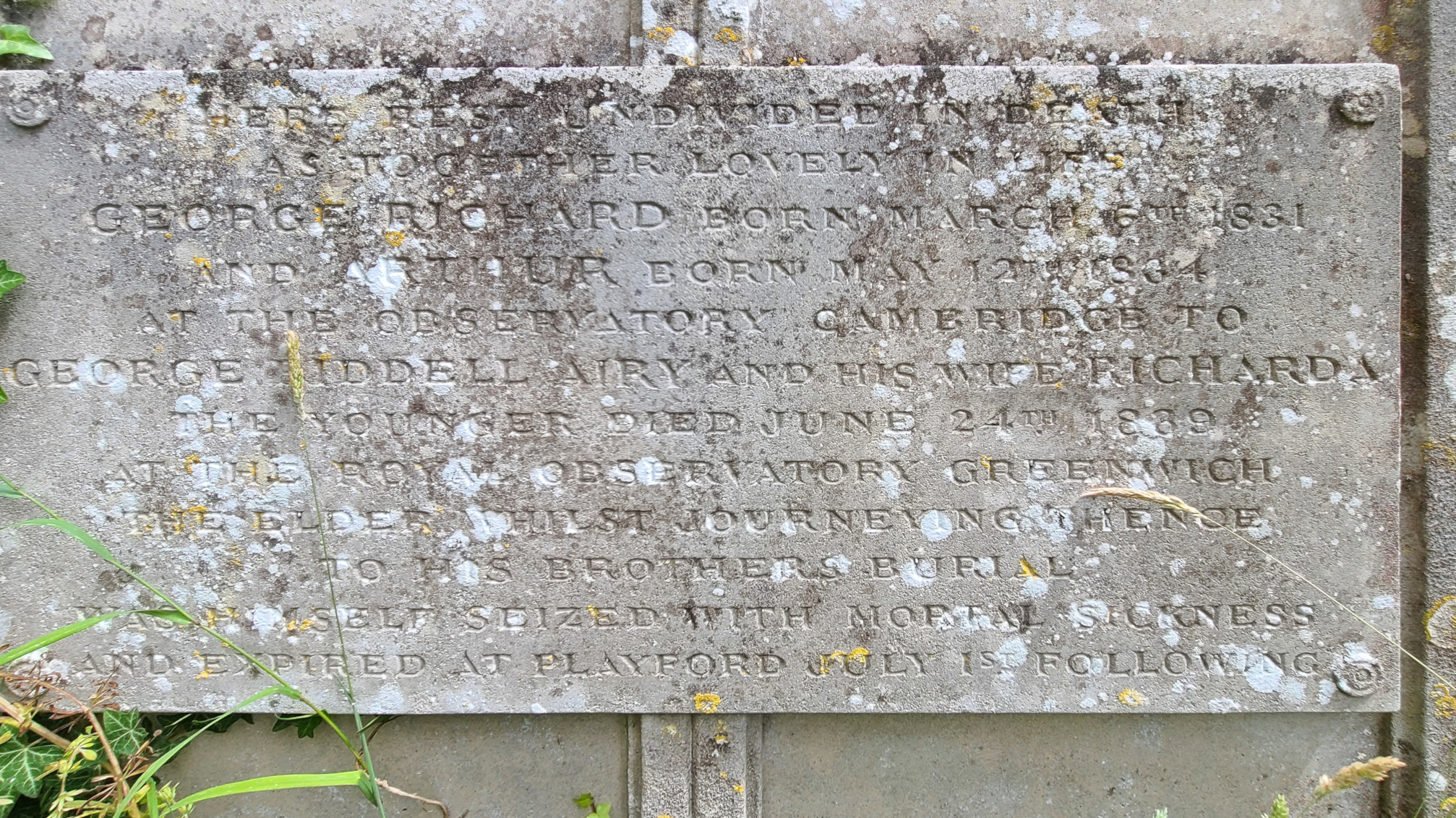 Fig. 12. Headstone of Arthur and George Airy. (MPC)
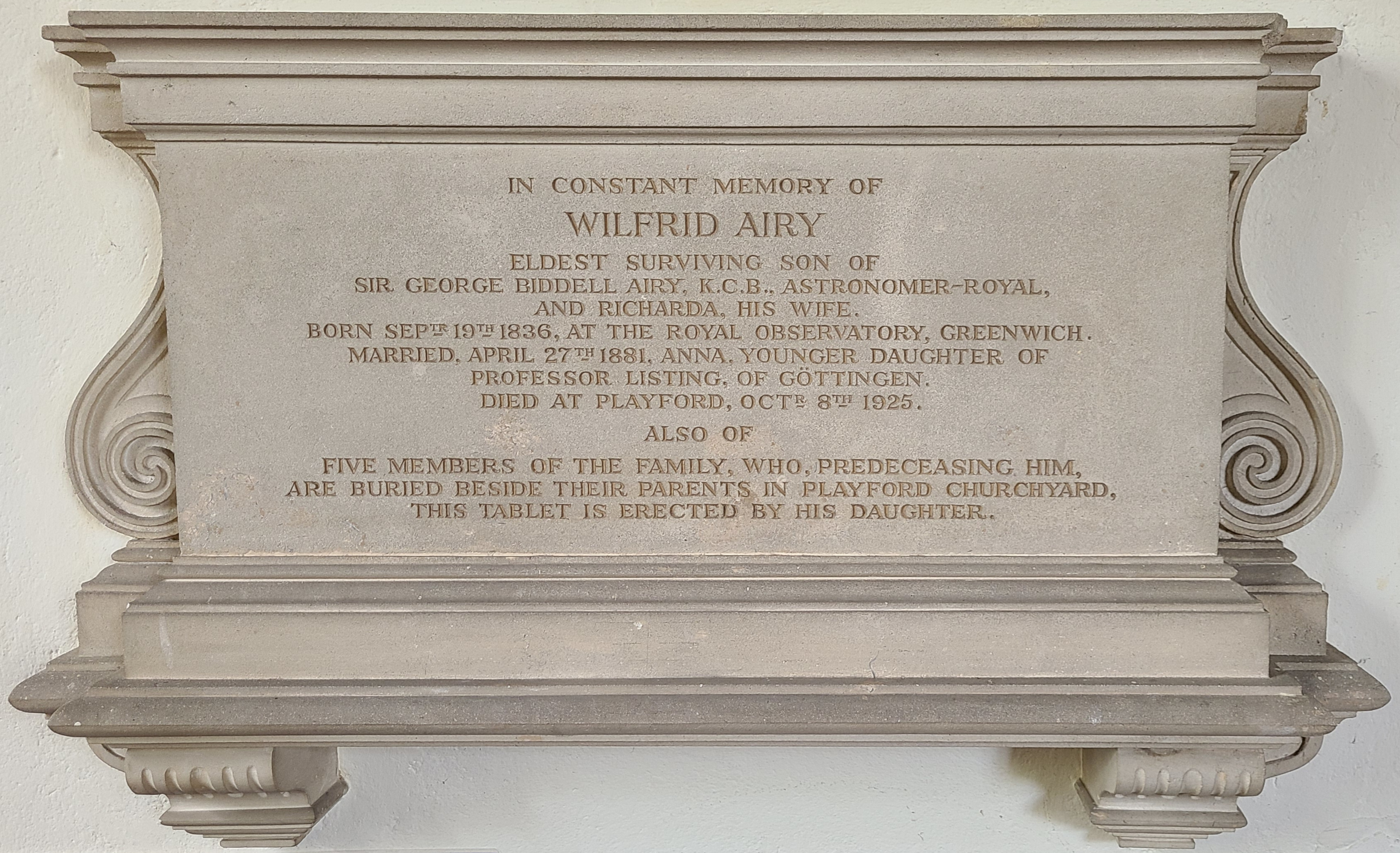 Fig. 13. Plaque in memory of Wilfrid Airy. (MPC)
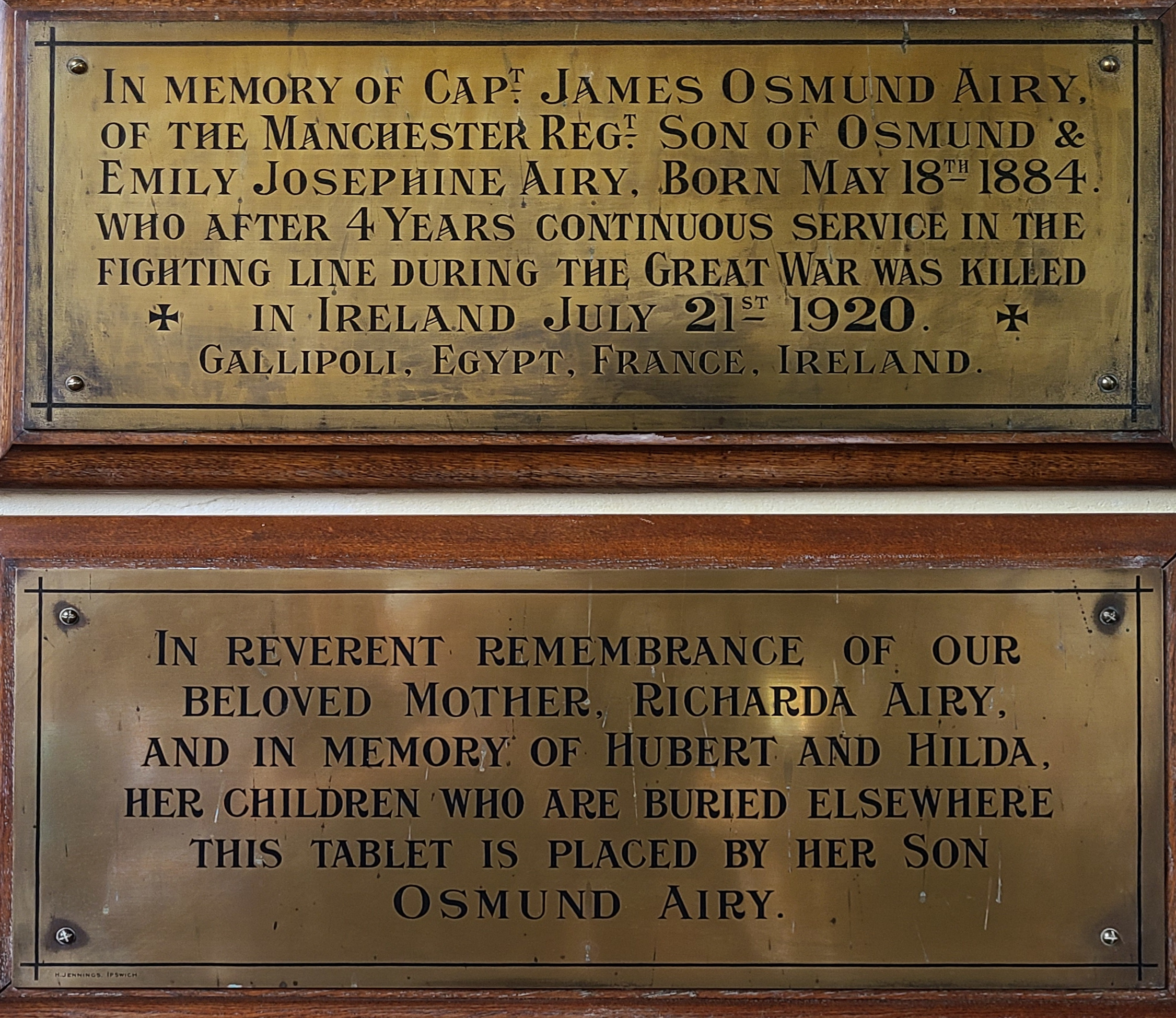 Fig. 14. Plaques in memory of Osmund, Herbert and Hilda Airy. (MPC)
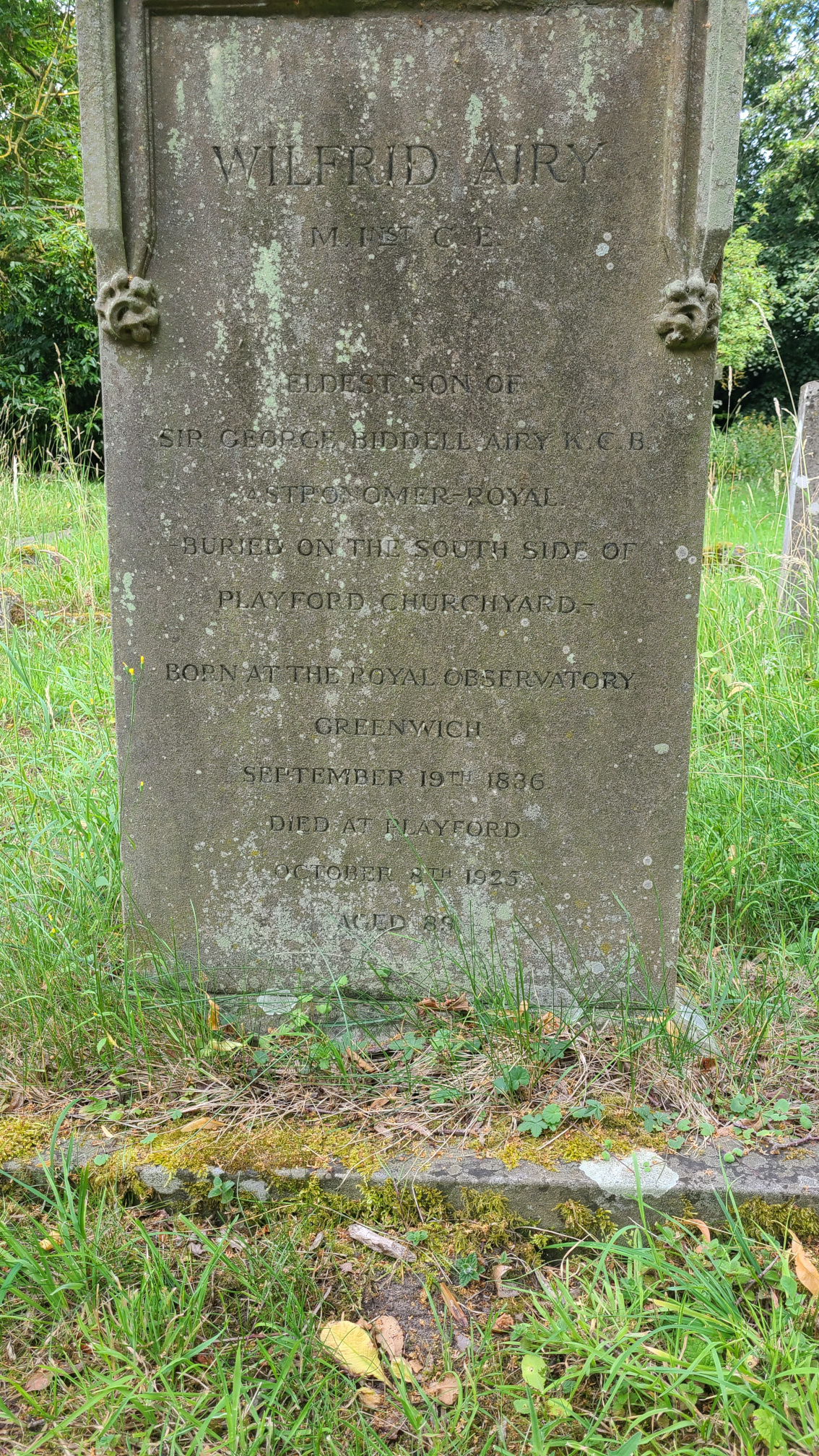 Fig. 15. Headstone of Wilfrid Airy. (MPC)
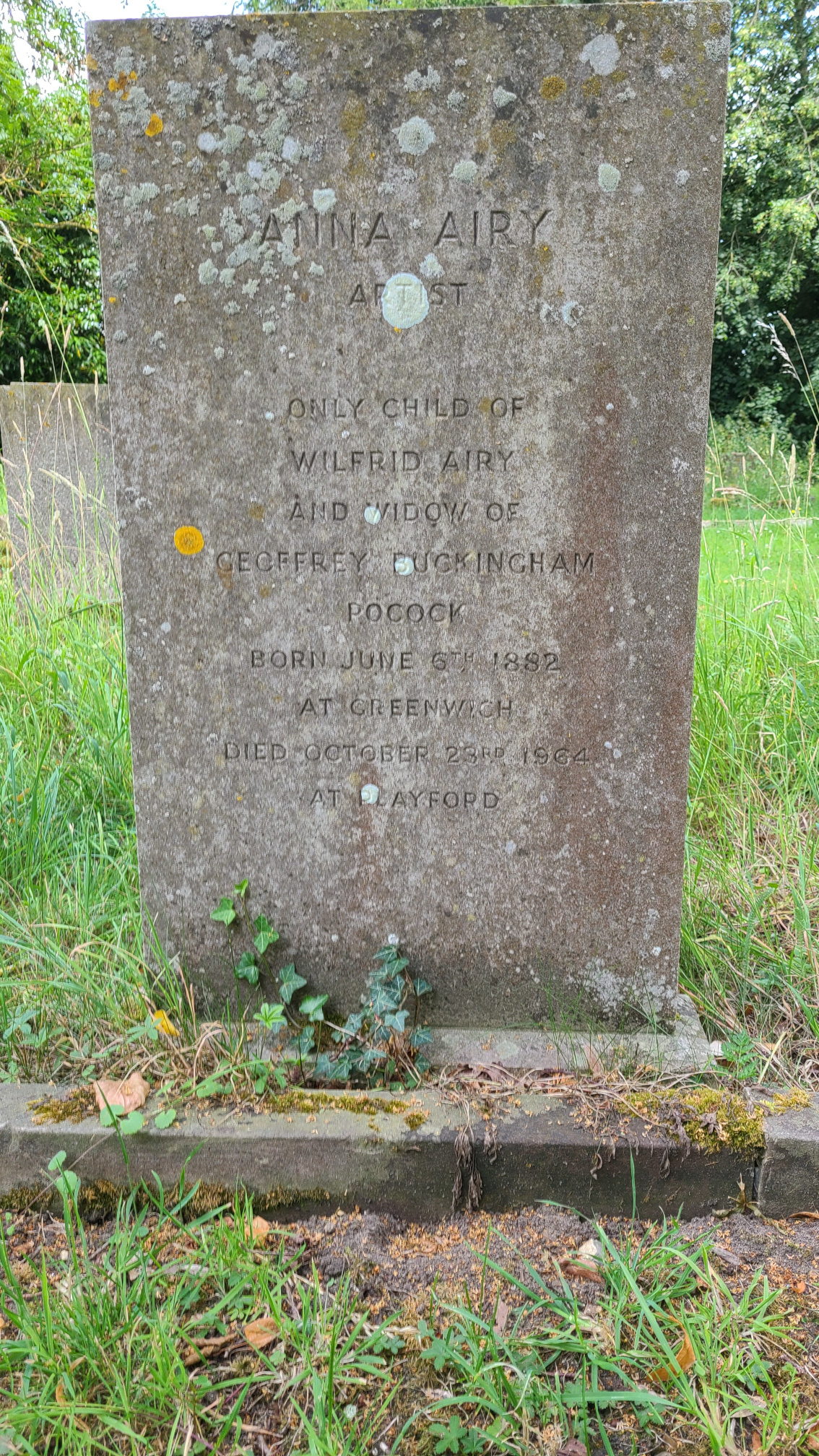 Fig. 16. Headstone of Anna Airy. (MPC)
Photograph credits are as follows: KJG=Ken Goward, FRAS, 2000; MPC=Martin Cook, 30 June 2026. Notes relating to the photographs:
[1]
Original article by Ken Goward, FRAS, April 2000. Additional material by Bill Barton, FRAS (pamphlet by Anna Airy), Martin Cook (photographs) and Norman Ballard (non-member of OASI, details of Airy family graves).
[2]
After GBA's death, Wilfrid, collated many of his father's private papers and notes into an autobiography (in loose terms) which was published by the Cambridge University Press in 1896.
[3]
The pamphlet was at one time available from Playford Church. A transcript is available via the link above. In the pamphlet, Anna notes that Thomas Clarkson, the abolitionist, was "an early friend and influence" on GBA.
Ken Goward, FRAS